


Removing stubborn carbon and grease from grill grates is a routine maintenance task that directly impacts food safety and cooking performance. The most effective method combines heat application to loosen debris with a bristle-free scrubbing tool or a citrus-based degreaser to lift residue without damaging the coating. Understanding how to clean baked on grill grates ensures your cooking surface remains safe and functional for every meal.
Many grill owners struggle with the fear of wire bristles shedding into food or the ineffectiveness of simple wiping.
- Using the right combination of temperature, chemistry, and mechanical action restores grates to a clean state efficiently.
- This guide covers specific tools and techniques that work for various grate materials, from cast iron to stainless steel.
- These methods help you maintain a hygienic grilling environment for November 2026.


Pros
- Safe and effective cleaning without bristle concerns - ideal for families and health-conscious grillers.
- Steam-cleaning action tackles burnt-on residue quickly, even after high-heat searing or low-and-slow smoking sessions.
- Replaceable head design offers long-term value and reduces plastic waste compared to single-use brush heads.
- Works on all grill types and grate materials, making it a versatile addition to any outdoor cooking arsenal.
- Heat resistance up to 600°F allows you to clean while grates are still hot, speeding up the cleaning process.
Cons
- Requires preheating the grill and dipping the brush in water, which adds a step compared to traditional dry scraping.
- The initial purchase price is higher than many basic wire brushes, though the replaceable head offsets long-term cost.
- Some users may find the brush head becomes less effective over time as the padding wears, requiring replacement heads.
The Grill Rescue BBQ Replaceable Cleaning Head is a bristle-free grill brush designed for safe, effective cleaning on all types of grates. It uses steam-cleaning technology - simply heat your grill, dip the brush in water, and scrub away grease and residue without the risk of wire bristles breaking off into your food. This makes it an excellent choice for backyard grillers, BBQ enthusiasts, campers, tailgaters, and RV owners who want peace of mind while cooking outdoors.
In real-world use, this brush performs admirably on both high-heat searing and low-and-slow smoking setups. The steam action lifts burnt-on gunk from cast iron and stainless steel grates, leaving them clean with minimal effort. While it doesn't directly affect heat consistency or smoke flavor, a clean grate is essential for good searing and preventing flare-ups, which indirectly improves your cooking results. The heat resistance up to 600°F means you can clean while the grill is still hot, saving time between cooks.
Build quality is solid - the cleaning head uses a high-temperature Aramid Fiber layer that withstands repeated use, and the polypropylene handle offers a comfortable, non-slip grip. The replaceable head extends the brush's lifespan, making it a more sustainable and cost-effective option compared to disposable brushes. It's also dishwasher safe, so cleanup after a long tailgate or camping trip is as simple as tossing it in the machine.
Setup and storage are straightforward: the brush is ready to use out of the box, and its compact size (5 x 4 x 18 inches) fits easily in a grill caddy or camping gear bag. The only limitation is the extra step of preheating and dipping in water, which might feel unnecessary to those used to a quick dry scrape. Also, the upfront cost is higher than basic wire brushes, but the replaceable head design saves money over time.
Overall, this brush is a practical investment for anyone who grills frequently - whether you're hosting a backyard party, smoking brisket on a weekend, or cooking burgers at a campsite. It prioritizes safety without sacrificing cleaning power, and its compatibility with all grate materials adds versatility. If you value a bristle-free, low-maintenance cleaning routine, the Grill Rescue system is worth considering.
To get the most out of your Grill Rescue brush, follow these simple care tips. After each use, allow the brush head to cool slightly, then rinse it under warm water or place it in the dishwasher for a thorough clean. The head is dishwasher safe, but avoid using abrasive cleaners that could wear down the padding.
When the brush head becomes less effective at removing residue - typically after several months of regular use - simply replace it with a new Grill Rescue cleaning head. The handle is designed to snap on and off easily, so swapping heads takes seconds. Store the brush in a dry place away from direct heat to prolong its lifespan. Regular replacement ensures optimal cleaning performance and safety.

Pros
- Effectively cuts through tough, baked-on grease and char from grills and smokers
- Non-toxic, plant-based formula is safe for use around food and family
- Works on multiple surfaces including grates, stovetops, and ovens
- Pleasant citrus scent instead of harsh chemical odors
Cons
- May require extra scrubbing or soak time for heavily caked-on residue on grill grates
- Spray bottle could be more durable for repeated use in outdoor environments
If you spend any time firing up a grill or smoker in your backyard, you know the drill: great food, great flavor, but eventually a sticky, charred mess on the grates. The CITRATIDE Grill and Oven Cleaner Spray is built to tackle that exact problem. It's a heavy-duty, plant-based citrus degreaser that breaks down baked-on food, grease, and char without the harsh chemical fumes you get from traditional oven or grill cleaners.
This cleaner is powered by natural d-limonene, a citrus solvent that's been used for decades in industrial degreasers. It works by dissolving tough grime on contact, so you can spray it on your BBQ grates, smoker racks, or even your stovetop and let it do the heavy lifting. Because it's non-toxic and free from caustic chemicals, it's safe to use in kitchens and around food prep areas. That's a big plus for anyone who cooks a lot and doesn't want chemical residue near their next meal.
The 32-ounce spray bottle is a practical size for regular use. It's not a one-and-done cleaner; you'll likely need it after every few cooking sessions, especially if you're a fan of low-and-slow smoking or high-heat searing. The spray nozzle delivers a good, even mist that covers grates and surfaces without wasting product. For heavily caked-on residue, you may want to let it sit for a few minutes or give it a light scrub, but it definitely cuts the work time down compared to scrubbing with just soap and water.
This cleaner is best suited for backyard grillers, BBQ enthusiasts, and anyone who owns a pellet smoker, electric smoker, or flat top griddle. It's also a solid choice for campers and RV owners who want a non-toxic option to clean their portable grills and cooktops. The plant-based formula means you're not dealing with harsh chemical smells or fumes, which is a relief when you're cleaning in a small space like a camper or on a patio near where you're about to eat.
Build quality is solid for a cleaner: the bottle is a standard HDPE plastic, and the label is clear and informative. It's made in the USA, which adds a layer of trust for those who prefer American-made products. The only real limitation is that for extremely heavy, baked-on carbon buildup, you might need a bit more elbow grease or a longer soak, but that's true of most non-toxic cleaners. For regular maintenance and routine degreasing, it works great.
Overall, this is a practical, everyday cleaner for anyone who takes their outdoor cooking seriously. Whether you're cleaning up after a weekend brisket smoke, a tailgate burger session, or a weeknight pizza on the grill, CITRATIDE makes the job easier and safer. It's a smart addition to your cleaning kit, especially if you value non-toxic, plant-based solutions.

Pros
- Effective on heavy grease and charred food residue from low-and-slow smokes
- Works well on both cold and warm surfaces for flexible cleaning after grilling
- Economical - a little goes a long way for multiple cleaning sessions
- Rinses clean without leaving sticky residue that could affect food flavor
Cons
- May require multiple applications for heavily caked-on grime from years of use
- Strong chemical smell during application - use in well-ventilated area
- Not recommended for aluminum surfaces or painted grills
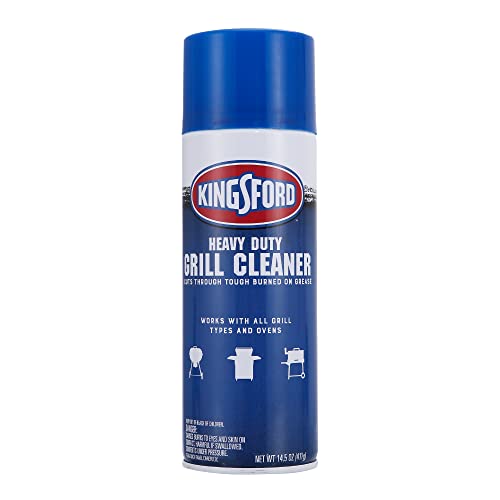
If you spend any time grilling, smoking, or cooking outdoors, you know the cleanup is the least fun part. This heavy-duty grill cleaner is designed to tackle exactly that chore, making it a solid addition to any outdoor cooking setup. It's a spray-on degreaser that works on BBQ grills, smokers, ovens, flat top griddles, and even camping stoves - basically anything that gets coated in grease and carbon after a cookout.
This cleaner is best suited for backyard grillers who fire up their gas or charcoal grills weekly, BBQ enthusiasts who smoke brisket low and slow, campers who need to clean their portable stove after a trip, and tailgaters who want their gear ready for the next game. If you own an RV and cook inside or outside, this is also handy for keeping the oven and grill grates spotless.
In real-world use, the cleaning performance is impressive. It cuts through baked-on grease and charred food residue without requiring heavy scrubbing. After a long smoking session where the grates are covered in black carbon, a few sprays and a short wait let you wipe it away. It doesn't completely eliminate scrubbing, but it reduces elbow grease significantly. The formula works on both warm and cold surfaces, so you can spray right after cooking or let it sit overnight on tough buildup.
Build quality is straightforward - it comes in a standard spray bottle with a trigger nozzle that delivers a wide or narrow stream. The nozzle doesn't clog easily, which is a common issue with thick cleaners. It's safe on porcelain, stainless steel, and cast iron grates, but you should avoid aluminum and painted surfaces. The spray can reach into tight corners of smoker racks and between grates, making it easier to clean those hard-to-reach spots.
Setup and use are simple: spray on, let it sit for a few minutes, scrub if needed, then rinse with water. Cleanup is quick, and the cleaner rinses away without leaving a sticky film that could affect your next meal's flavor. Storage is easy - just keep the bottle in your garage or under the sink. One limitation is that heavily caked-on grime from years of neglect may require multiple applications. Also, the chemical smell is strong, so you'll want good ventilation when using it.
Overall, this is a practical buy for anyone who cooks outdoors regularly. It saves time and effort on cleanup, which means more time enjoying your backyard parties, tailgates, or campsite meals. If you're tired of scrubbing forever after a great cookout, this cleaner makes the after-work much easier. Just remember to wear gloves and work in a well-ventilated area, and your grills and smokers will look like new after each use.

Pros
- Safe cleaning without wire bristles, protecting your family from accidental ingestion.
- Powerful citrus-based cleaner easily cuts through baked-on grease and carbon buildup.
- Kit includes everything you need: spray, brush, scrubber pads, scraper, and towel, no extra purchases required.
- Works on both hot and cool grills, offering flexibility for different cleaning routines.
Cons
- For extremely charred grates, some elbow grease may still be needed; the cleaner alone won't dissolve heavy creosote instantly.
- Scrubber pads are refillable but replacements are sold separately, adding ongoing cost over time.
- The cookbox scraper is best used on cool surfaces; it may scratch delicate porcelain coatings if used aggressively.
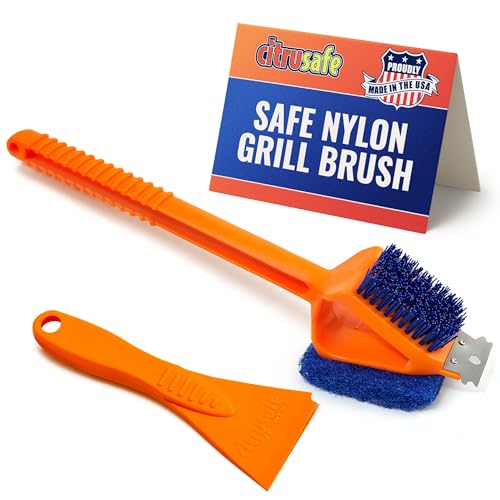
The Citrusafe Complete Grill Cleaning Kit is not your average grill cleaner. It is a thoughtfully assembled set designed to replace the dangerous wire brushes and harsh chemical sprays that many BBQ enthusiasts rely on. Instead, this kit uses a citrus-based degreaser, a nylon brush, heavy-duty scrubber pads, a cookbox scraper, and a microfiber towel to clean your grill safely and effectively. Whether you own a charcoal kettle, a propane gas grill, a smoker, or even a flat top griddle, this kit has the tools to handle the mess.
This kit is built for anyone who takes outdoor cooking seriously. Backyard grillers who fire up the Weber every weekend, campers who throw a grate over an open fire, tailgaters who need a quick cleanup between games, and RV owners who don't want wire bristles scratching their portable grills will all appreciate the safety-first approach. The stars are the Citrusafe Grill Cleaner spray, which uses natural degreasing power from citrus peels to break down grease, and the nylon brush and scrubber pads that work on a cool grill. No more burning off residue or worrying about stray bristles in your burger.
In real-world use, this cleaner shines on moderately soiled grates and cookboxes. Spray it on, let it sit for a few minutes, then scrub with the nylon brush or the heavy-duty pads. The grime dissolves quickly, and the included cookbox scraper reaches into corners that brushes miss. For a neglected grill that has months of caked-on grease, you may need to repeat the process, but the result is a cookbox that looks nearly new. The microfiber towel lifts away remaining residue without scratching porcelain or stainless steel surfaces.
Build quality of the tools is solid. The nylon brush handle is heavy-duty plastic with a comfortable grip, and the scrubber holder accepts the replaceable pads firmly. The scraper has a slim profile that fits into the tight gaps of most grills and smokers. The spray bottle has a trigger that produces a fine mist, covering grates evenly without waste. Everything in the kit is designed to be reused, cutting down on disposable grill wipes and paper towels.
Setup is simple: unpack the items and start cleaning. The spray works right out of the box, and all tools are ready to go. Transport is not an issue since it is a cleaning kit, but the spray bottle and tools fit easily in a garage cabinet or a camping tote. Storage is straightforward: keep the spray away from direct sunlight, and hang the brush and scraper to dry.
Limitations are minor. For grills with extremely heavy carbon buildup (think years of neglect), you may still need to use a metallic scraper or a second application. The scrubber pads are effective but wear out after several uses, and replacement packs are sold separately. Additionally, the nylon brush is not as stiff as wire, so it may take a bit more scrubbing on stubborn spots. Nonetheless, for routine maintenance and even deep-cleaning, this kit is a safe and effective choice. It earns a strong recommendation for any outdoor cook who wants to eliminate the risk of wire bristles and keep their cooking gear in top shape.
The Citrusafe Complete Grill Cleaning Kit comes with five essential items to tackle every part of your grill or smoker. You get a 16oz bottle of Citrusafe Exterior Grill Cleaner (also safe for interior use), a heavy-duty nylon brush with an integrated cookbox scraper, a scrubber handle plus three replaceable scrubber pads, a separate cookbox scraper for tight areas, and a premium microfiber cleaning towel (color may vary). Together, they cover cleaning from grates to hoods to side tables. Everything is manufactured in the USA by Bryson Brothers, a brand focused on safer outdoor cooking products.
For best results, clean your grill when it is cool to the touch. Spray the Citrusafe cleaner liberally onto grates and cookbox surfaces, let it sit for 3-5 minutes to loosen grease, then scrub with the nylon brush or scrubber pads. Use the cookbox scraper for baked-on residue in corners. Wipe away residue with the microfiber towel, then rinse with water if desired. For routine maintenance after each cook, a quick spray and wipe keeps grates looking new. The scrubber pads can be replaced when they become worn; replacement pads are available separately. The spray lasts through many cleanings, making this kit a great value for frequent grillers.


Effective Methods for Removing Baked-On Residue
Addressing baked-on grime requires a systematic approach that respects the material of your specific grate. The primary goal is to break down the polymerized fats and carbonized proteins that adhere to the metal surface. Most effective cleaning protocols involve heating the grill to a moderate temperature to soften the residue before applying a cleaning agent or scrubbing tool. This thermal step is crucial because it reduces the adhesive strength of the baked-on layer, making mechanical removal significantly easier.
| Method | Best For | Key Action |
|---|---|---|
| Steam Cleaning | Cast Iron, Stainless | Heat + Water Vapor |
| Chemical Degreaser | Porcelain, Ceramic | Spray + Dwell Time |
| Manual Scrubbing | All Grates | Bristle-Free Pad/Brush |
Before you begin, ensure you have the correct tools for your grate type. Different materials react differently to heat and chemicals, so selecting the right approach prevents damage. Here are the essential items to check for before starting your cleaning session:
- Heat-resistant gloves for safe handling of hot components
- Bristle-free scrubbing pads or nylon brushes for safe contact
- Citrus-based or plant-based degreaser spray for chemical action
- Soft microfiber towels for wiping down loosened residue
Thermal Preparation and Safety Checks
Heating the grill is the first step in most deep-cleaning routines. Set your burners to a medium-high setting and close the lid for approximately 10 to 15 minutes. This heat helps to carbonize the remaining food particles, turning them into ash that is easier to brush away. It also softens the sticky grease layers that resist simple scraping. Always ensure the area around the grill is clear of flammable materials and that the lid is securely closed to contain the heat and smoke.
Safety is paramount when working with hot grills. Never use water or cleaning sprays on a grill that is not at the appropriate temperature for the method you are using. For steam cleaning, the grill should be hot enough to produce vapor but not so hot that it damages the cleaning tool. For chemical cleaning, some products specify use on warm or cool surfaces, so check the manufacturer’s instructions carefully. Proper ventilation is also essential to avoid inhaling fumes from burning grease or chemical agents.
Choosing the Right Scrubbing Tool
The tool you choose depends largely on the material of your grill grates. Traditional wire brushes have fallen out of favor due to the risk of bristle breakage, which can lead to metal fragments ending up in food. Modern alternatives include bristle-free scrapers, nylon brushes, and steam-cleaning pads. These tools are designed to lift residue through friction and absorption rather than aggressive scraping, reducing the risk of scratching delicate coatings like porcelain or ceramic.
Stainless steel grates are durable and can handle more robust tools, but they still benefit from a gentle approach to prevent surface scratching. Cast iron grates require a different care routine, as they need to be kept dry and seasoned after cleaning to prevent rust. Porcelain-coated grates are the most fragile; they can chip if subjected to sharp impact or harsh abrasive pads. Using a soft nylon brush or a specialized scraper is recommended for these surfaces to maintain the integrity of the coating.
Applying Chemical Degreasers Effectively
Chemical degreasers can significantly reduce the effort required to clean baked-on grime. Citrus-based cleaners are popular because they are plant-based and non-toxic, making them safer for household use. These sprays work by breaking down the molecular structure of the grease, turning it into a liquid that can be wiped away. When applying the spray, ensure the grates are at the temperature recommended by the product label, as heat can enhance the chemical’s effectiveness.
Allow the degreaser to sit for the specified dwell time, typically ranging from 10 to 30 minutes. This waiting period is critical because it allows the active ingredients to penetrate the baked-on layer. Rushing this step often results in incomplete cleaning. After the dwell time, use a soft cloth or pad to wipe away the dissolved residue. For heavy buildup, you may need to repeat the application process. Always rinse the grates with clean water before the next cooking session to remove any chemical residue.
Handling Specific Grate Materials
Cast iron grates require a specific post-cleaning routine to maintain their seasoning. After scrubbing away the residue, wipe the grates with a damp cloth to remove any loose particles. Then, apply a thin layer of high-smoke-point oil to the surface while the grates are still warm. This re-seasoning process protects the metal from rust and creates a natural non-stick surface. Avoid using soap on cast iron if you are trying to preserve the existing seasoning, as it can strip away the protective layer.
Stainless steel grates are more resistant to rust but can still show signs of wear if not cleaned properly. They can be cleaned with a mix of water and mild detergent, followed by a thorough rinse. For stubborn spots, a paste of baking soda and water can be applied and left to sit before scrubbing. The key is to avoid abrasive pads that can scratch the surface, as these scratches can trap grease and make future cleaning more difficult. Regular maintenance keeps stainless steel looking new and performing well.
Preventing Future Buildup
Preventing baked-on grime is easier than removing it. Clean your grates after every use while they are still warm but safe to touch. This prevents the grease from cooling and hardening into a stubborn layer. Use a grill scraper to remove any loose food particles, then wipe the grates with a damp cloth. This quick maintenance routine takes only a few minutes and can save you hours of deep cleaning later. It also helps to keep the grill’s heat distribution consistent, as built-up grease can cause flare-ups and uneven heating.
Consider using a grill grate cover when the grill is not in use to protect it from the elements and debris. This reduces the amount of dirt and moisture that can accumulate on the surface. Regularly inspect your grates for signs of wear, such as rust or chipping, and replace them if necessary. A well-maintained grill is not only safer but also more enjoyable to use, providing a better cooking experience for you and your guests.
For those interested in optimizing their grilling setup, understanding the broader context of grill maintenance can be helpful. Our guide to bbq island kits offers insights into creating a functional and attractive outdoor cooking space that supports efficient maintenance routines. Integrating proper storage and cleaning tools into your setup can make the entire process smoother and more consistent.
Consistent care is the key to a long-lasting grill. By adopting these cleaning methods and preventive measures, you can ensure your grates remain in top condition for years to come. Whether you prefer steam cleaning, chemical degreasers, or manual scrubbing, the right approach for your specific grill type will yield the best results. Take the time to learn your grill’s requirements and establish a routine that fits your lifestyle.





Write Your Review
No reviews yet. Be the first to share your experience!