


Backyard chefs often notice that the surface touching their steaks, burgers, and vegetables determines how heat transfers and how easily food releases. When replacing worn surfaces or shopping for a new cooker, understanding what are weber grill grates made of helps clarify heat retention, cleaning routines, and overall durability. Weber produces grates across several distinct material categories, ranging from light wire designs for charcoal kettles to dense metal bars on full-sized gas grills. Pairing the right grate with outdoor accessories like smoker boxes for outdoor grills allows outdoor cooks to balance direct searing with gentle wood smoke.
Different fuel sources and cooking styles demand tailored metal properties to deliver consistent heat without warping. Budget models frequently feature standard plated carbon steel, while heavier gas platforms often rely on porcelain-enameled cast iron or solid stainless steel rods. Each material introduces specific advantages for heat conductivity, rust protection, and everyday maintenance. Recognizing these differences ensures that you choose the right replacement grate or care routine for your outdoor cooking setup.

Pros
- Hinged design is a game-saver for adding charcoal during long low-and-slow cooks or high-heat searing
- Heavy-duty steel feels sturdy and holds up well to repeated grilling sessions and weather exposure
- Raised handles stay cool enough to grip comfortably, making grate removal simple and safe
- Easy to clean with a standard grill brush after a quick preheat
Cons
- Does not fit Weber Smokey Mountain Cooker smokers, limiting compatibility to kettle models only
- Plated steel can show surface rust over time if not dried properly after cleaning or stored in wet conditions
- Hinged sections may feel slightly loose initially, though they lock into place once the grate is positioned on the grill
If you regularly cook on a Weber 22-inch charcoal kettle grill, you know the struggle of adding more charcoal mid-session. Lifting a hot, heavy grate loaded with food is awkward and risky. The Weber Hinged Cooking Grate solves that problem with a smart design that lets you flip up either side to dump in fresh briquettes or adjust the charcoal bed without disturbing your steaks, burgers, or vegetables.
This grate is built from heavy-duty plated steel that feels solid in hand. It sits securely on the upper prongs of your grill, so it won't wobble or shift when you're flipping food or stirring coals. The raised handles on each side make it easy to lift the entire grate out when you need to deep clean the kettle or dump ash. For backyard grillers who host weekend parties or tailgaters who cook for a crowd, this convenience saves time and frustration.
When it comes to cooking performance, the grate heats evenly across the 22-inch surface. It holds heat well for searing burgers and steaks, and it works great for low-and-slow smoking when you use the indirect method. The hinged design is especially useful for longer cooks like ribs or pork shoulder, where you might need to add a chimney of fresh coals after a few hours. You don't have to take everything off the grill or juggle hot grates.
Durability is solid for the price. The plated steel resists rust better than bare steel, but you still need to dry it after washing and store it out of the rain to keep it looking good. A quick 15-minute preheat followed by a wire brush scrub is all it takes for cleanup. The grate comes with a 1-year limited warranty, which adds some peace of mind for regular use.
One limitation: this grate only fits standard 22-inch Weber kettle grills, not the Smokey Mountain Cooker smokers. Also, the hinged sections can feel a bit loose when the grate is off the grill, but once it's locked onto the prongs, they stay put. For campers, tailgaters, and backyard cooks who already own a Weber kettle, this is a practical upgrade that makes charcoal management much easier.
Overall, the Weber Hinged Cooking Grate is a well-designed accessory that improves the everyday grilling experience. If you find yourself adding charcoal mid-cook often, or you just want a grate that's easier to handle, this is a worthwhile investment. It's not flashy, but it does exactly what it promises and does it well.
This hinged grate shines in several outdoor cooking scenarios. For backyard BBQs, it lets you add charcoal without interrupting your cook, so you can keep burgers and brats coming off the grill consistently. Tailgaters will appreciate the ability to adjust heat quickly when cooking for a crowd from a single kettle. Campers who use a portable Weber kettle can also benefit from the hinged design when cooking over coals at a campsite. It's also great for low-and-slow smoking when you need to replenish fuel every few hours. Just flip up a side, drop in fresh coals, and keep the lid closed.
Keeping this grate clean is straightforward. After each cook, preheat the grill on high for about 15 minutes to burn off food residue. Then use a sturdy grill brush to scrub the grate clean. For deeper cleaning, remove the grate and wash it with warm soapy water and a non-abrasive sponge. Rinse thoroughly and dry it completely before storing to prevent rust. Avoid leaving the grate exposed to rain or moisture for long periods. A light coating of cooking oil after cleaning can also help protect the plated steel surface.

Pros
- Easy to transport and set up - ideal for camping and tailgating
- Heat retention is solid for its size, enabling even cooking
- Build quality feels sturdy for a portable grill
- Cleanup is straightforward thanks to the grease system
Cons
- Small cooking area limits batch cooking for large groups
- Startup time can be a bit slow if you are used to faster grills
- Wind can affect temperature control if not sheltered
If you love cooking outdoors but need something that can tag along on your trips, the GRILL-5491 portable grill is worth a look. This compact BBQ unit is designed for campers, tailgaters, RV owners, and even backyard patio cooks who want a smaller setup for weeknight dinners. It strikes a nice balance between portability and real cooking performance.
When it comes to heat consistency, this grill holds its own. The lid and body are built to retain heat fairly well, which means you can get a decent sear on steaks or burgers without constant temperature swings. While it is not a high-end smoker, it does produce a subtle smoky flavor when you add wood chips or use charcoal. For fast grilling - think hot dogs, chicken thighs, or veggies - it heats up quickly enough, though the startup time could be shorter if you are used to premium models.
Build quality here is practical rather than flashy. The grates feel sturdy, and the folding legs make carrying it to the campsite or parking lot simple. Rust resistance seems fine for occasional outdoor use, but like any portable grill, you will want to store it inside when not in use to extend its life. The handles are comfortable for transport, and the overall weight is manageable for one person.
Cleanup is where this grill shines. The grease management system directs drippings away from the flame, reducing flare-ups and making post-cook scrubbing less of a chore. You can easily wipe down the grates and empty the drip tray after a meal. Storage is also convenient - it folds down compact enough to fit in a car trunk or RV compartment.
That said, there are some limitations. The cooking capacity is on the smaller side, so feeding a crowd of eight or more will require multiple rounds. Wind can also affect temperature control, so try to set it up in a sheltered spot. And if you are looking for low-and-slow smoking abilities, this is not that tool - it is built for direct grilling.
Overall, the GRILL-5491 is a dependable portable grill for campers, tailgaters, and anyone who values easy transport and simple cleanup. It handles burgers, sausages, and veggies well, and it holds heat better than many similarly sized options. If you need a small grill that travels with you and delivers consistent results, this is a smart buy.

Pros
- Exact fit for Weber Genesis II 300 and LX 300 series grills manufactured from 2017 to current
- Solid cast iron material provides dependable heat distribution across the cooking grid
- Direct replacement for popular factory parts including 66095 and 66802
- Two-piece grate design makes lifting, cookbox scraping, and grate cleaning manageable
Cons
- Will not fit older Weber Genesis grills made between 2007 and 2016 without the II badge
- Requires ongoing oiling and non-metallic grill tools to protect the matte enamel finish
- Heavier than stamped steel or wire grates, requiring care during removal and cleaning
The Charbrofire Matte Enamel Cast Iron Grill Grates are designed specifically for owners of Weber Genesis II 300 series gas grills who want to refresh their cooking surface. Over years of regular family cookouts, original grates can succumb to corrosion, flaking, or grease buildup that hinders heat transfer. This replacement set provides two solid cast iron panels measuring 18.75 inches long by 13.25 inches wide each, combining for a 26.5-inch total width. It suits home cooks who regularly prepare steaks, burgers, chicken, and vegetables and want a direct, budget-friendly replacement for worn factory parts.
In terms of cooking performance, cast iron remains a favored material for backyard grilling because of how effectively it absorbs and radiates heat. The heavy solid rods in these grates are built to retain heat, which helps create distinct sear marks on steaks and chops during direct-heat cooking. When preheated properly over gas burners, the grates distribute thermal energy across the cooking surface, reducing cold spots and aiding in consistent browning across larger batches of food during weekend cookouts.
The build quality centers on matte enamel-coated cast iron. Unlike glossy porcelain coatings that can be prone to sudden chipping or cracking under thermal stress, a matte enamel treatment offers a resilient barrier that shields the underlying cast metal. This construction resists warping under standard grilling temperatures and provides the structural mass needed to handle heavy cast iron skillets or large roasts when cooking over indirect heat zones.
Installation is completely tool-free, acting as a direct drop-in replacement for original Weber part numbers 66802, 66095, 66805, and 7599. Daily upkeep requires standard cast iron practices. The manufacturer recommends applying a light layer of cooking oil before and after each grilling session to preserve the surface finish and prevent moisture-induced corrosion. Using non-metallic grill brushes and tongs is also recommended to prevent premature scratching of the matte enamel layer.
Buyers should take note of sizing restrictions before purchasing. This set is engineered exclusively for Weber Genesis II and Genesis II LX 300 series grills from model years 2017 to current. It is not compatible with earlier Genesis models produced between 2007 and 2016 that lack the Roman numeral II on the front panel. Additionally, because cast iron is substantially heavier than stamped steel, handling the grates for under-hood burn-off cleaning requires careful lifting.
For owners of compatible Weber Genesis II 300 series gas grills looking to restore cooking surface performance, this Charbrofire replacement set offers practical everyday value. It restores heavy heat retention for high-temp searing and family meals without the premium price tag of original branded replacement parts, provided the user is willing to follow basic oiling and cleaning routines.
These replacement grates are precision-sized to fit Weber Genesis II 300 series gas grills produced from 2017 onward. Compatible models include the Weber Genesis II E-310, E-315, E-325, E-330, E-335, S-310, S-335, S-345, SE-310, SE-330, SE-335, and CE-330, as well as the Genesis II LX 340 series. They directly replace original part numbers 66802, 66095, 66805, and 7599.
It is critical to verify the grill's control panel badge prior to purchase. If the grill panel reads only Genesis without the Roman numeral II, this set will not fit properly. Checking factory model numbers such as 61010001, 66010001, or 61011001 will ensure the 18.75 by 26.5 inch dimensions seat correctly into the cookbox ledge.
Maintaining matte enamel cast iron grates requires a gentle yet consistent approach to ensure long-term durability. To prevent moisture from degrading the iron, users should brush the grates clean after cooking while the grill is still warm, then apply a thin coating of high-smoke-point cooking oil across the rods.
To protect the matte enamel layer from micro-cracking or peeling, avoid using sharp steel wire scrapers or metal spatulas directly on the coating. Nylon grill brushes, wooden scrapers, or soft-bristle cleaning tools work best. Never wash these grates in a dishwasher or submerge them in water for long periods, as standing moisture can compromise cast iron integrity.
Pros
- Heavy-gauge steel construction provides rigid support under full loads of lump charcoal or briquettes
- Exact 17-inch sizing fits securely on the lower interior brackets of 22-inch Weber kettle grills
- Restores proper airflow beneath burning coals to help maintain consistent combustion
- Simple drop-in design requires zero tools, fasteners, or complex assembly
Cons
- Functions strictly as a lower charcoal fuel grate and cannot be used as an upper food cooking surface
- Does not fit 18-inch kettle grills or the Weber Smokey Mountain Cooker
- Prolonged exposure to intense direct charcoal heat will naturally cause cosmetic oxidation over time
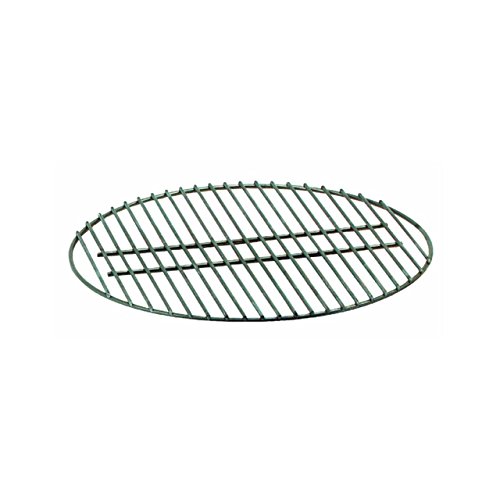
The Weber 17-Inch Heavy-Gauge Steel Charcoal Fuel Grate is an essential replacement component designed specifically for 22-inch charcoal kettle grills. While retail product listings occasionally label it as a cooking grate, the manufacturer specifications clearly identify this as the bottom fuel grate where briquettes or lump charcoal rest. Backyard charcoal cooks whose original bottom grates have sagged, thinned, or rusted after seasons of heavy grilling will find this a direct, fuss-free replacement part.
In real-world charcoal grilling, fuel elevation is critical for reliable heat management. By resting 17 inches across inside the bottom contour of a 22-inch kettle, this grate establishes a vital gap between the lower intake vents and the burning coals. This open clearance prevents fuel from smothering the bottom dampers, allowing fresh oxygen to circulate steadily around the charcoal. Whether arranging coals for direct high-heat searing on weeknight burgers or setting up a two-zone indirect bank for slow-cooking chicken pieces, a flat, sturdy fuel base makes temperature adjustments significantly more predictable.
The build quality relies on heavy-gauge steel wire, weighing just over three pounds. This thickness provides the structural rigidity needed to hold heavy chimneys of glowing fuel, heavy cast iron charcoal baskets, or dense hardwood lump charcoal without immediate sagging. Unlike thin aftermarket wire racks, the substantial wire gauge is engineered to resist rapid warping under the intense temperatures generated in the bottom of a charcoal kettle.
Installation is completely tool-free. Routine maintenance simply involves lifting out the upper cooking grate, removing the old charcoal grate, brushing out accumulated debris, and dropping this 17-inch grate onto the kettle bowl interior support tabs. Ash maintenance is equally practical, as the wire spacing allows spent ash to drop through easily into the lower bowl and ash sweep assembly during cookouts, preventing fuel bed choke-out during extended weekend barbecue sessions.
There are a few realistic limitations to keep in mind before purchasing. Most importantly, this 17-inch grate is not intended for food contact; your food sits on the larger, separate upper cooking grate. Additionally, this part is sized specifically for 22-1/2-inch kettle models such as the One-Touch, Master Touch, Bar-B-Kettle, and Performer. It will not fit smaller 18-inch kettles and is not compatible with the Weber Smokey Mountain Cooker. Because it sits directly beneath burning coals, cosmetic discoloration and surface weathering are standard with normal outdoor charcoal use.
For owners of 22-inch Weber kettle grills looking to refresh a bowed, rusted, or worn-out coal grate, this heavy-gauge steel replacement delivers proper fit and dependable fuel support. It is an affordable, practical maintenance purchase that restores optimal airflow and keeps your backyard kettle firing efficiently for seasons to come.
This replacement charcoal grate measures 17 inches in diameter with a thickness of roughly 0.4 inches and a weight of approximately 3.09 pounds. It is engineered to sit on the lower interior ledges of standard 22-inch (often cataloged as 22-1/2-inch) Weber kettle grills.
Compatible grill lines include the Weber One-Touch, Master Touch, Bar-B-Kettle, and Performer series. It is not designed to fit 18-inch kettle models, nor does it fit the Weber Smokey Mountain Cooker line. Confirming your kettle bowl diameter prior to ordering ensures a seamless drop-in fit without interference with the lower bowl sweep blades.
Maintaining proper distance between incoming vent air and burning fuel is fundamental to charcoal temperature control. This lower grate elevates your fuel bed, allowing air pulled through the bottom bowl dampers to feed the coals from underneath rather than choking against a flat bowl surface.
The wire spacing provides stable footing for standard briquettes and lump charcoal chunks while facilitating easy ash clearance. As fuel burns down, powdery ash falls directly toward the kettle cleanout system, keeping the remaining coals well-oxygenated for steady searing or sustained indirect cooking.
The Materials Behind Weber Grill Grates Explained
Weber manufactures grill grates primarily from three materials: plated steel, porcelain-enameled cast iron, and solid stainless steel. Lower fuel grates that support burning charcoal briquettes use unplated, heavy-gauge steel designed to withstand direct fuel contact. Understanding which material sits inside your grill clarifies how quickly the cookbox warms up, how long the cooking surface retains heat, and how much elbow grease is required during cleanup. Each material balances thermal conductivity, physical durability, and overall maintenance to suit different cooking habits and grill configurations.
Plated Steel Grates for Charcoal Kettles
Plated steel grates serve as the standard cooking surface for traditional twenty-two-inch kettle grills. Manufacturers build these grates from a core of carbon steel wire rods coated with a bright layer of nickel or chrome. This metallic plating delivers an attractive, smooth finish that resists oxidation during storage and provides moderate food release when properly oiled. The lightweight construction allows backyard cooks to lift and position the grate effortlessly before lighting their cookers.
Many kettle cooking grates incorporate hinged side sections that flip upward on metal pins. These hinged flaps allow grillers to add fresh briquettes or wood chunks to the fire without removing the entire cooking surface and disturbing food. Integrated curved handles on the outer rim make it convenient to remove the hot grate while wearing heat-resistant barbecue gloves. Because the steel core is relatively thin compared to cast iron, these grates heat up rapidly when placed over glowing embers.
Plated steel requires mindful cleaning to preserve the protective exterior barrier. A hot preheat followed by a gentle brushing with a brass or stainless grill brush normally removes charred grease without scratching through the plating. If aggressive metal scrapers gouge the outer nickel layer, the underlying carbon steel becomes exposed to moisture, oxygen, and acidic marinades. Once that protective plating wears away or flakes, surface rust can develop over time, signaling that a replacement grate may be needed.
Heavy Gauge Steel Lower Charcoal Grates
Charcoal grills rely on two distinct levels of grates, and their structural materials serve completely different operational functions. The lower charcoal grate sits directly above the bottom intake dampers at the base of the kettle bowl. Weber fabricates these lower grates from heavy-gauge, unplated carbon steel rods engineered to support the physical weight of burning coals and cast-iron charcoal baskets. The seventeen-inch diameter grate leaves critical clearance above the bowl contours so incoming combustion air circulates freely beneath the fuel bed.
Because lower grates endure direct contact with intense combustion temperatures exceeding a thousand degrees, plating would blister and burn away immediately. The bare, heavy steel rods expand and contract under severe thermal cycling while holding burning charcoal off the bottom kettle vent assembly. Over repeated seasons of cooking, accumulated charcoal ash and ambient humidity can accelerate corrosion on this lower component. Regular ash cleanout through the kettle sweeps prevents alkaline moisture buildup and extends the working life of the heavy steel rods.
Porcelain-Enameled Cast Iron Grates
Porcelain-enameled cast iron represents one of the most popular cooking surfaces found on gas grills such as the Spirit and Genesis lines. Foundry workers cast solid iron into thick, grooved bars or wide rectangular grates, which are subsequently coated with powdered glass enamel and fired in a high-temperature kiln. The resulting porcelain coating forms a glossy or matte protective shield that seals the porous iron against moisture and oxygen. Third-party manufacturers also produce matte enamel cast iron replacement grates designed to match original equipment specifications for Genesis II 300 series models.
Cast iron provides substantial thermal mass, allowing the cooking surface to absorb massive amounts of heat from gas burner tubes. Once preheated, the thick iron rods transfer intense contact heat to burgers, steaks, and vegetables, producing wide, dark sear marks. This thermal inertia also prevents drastic temperature drops when you place cold cuts of meat onto the grill or open the lid during cooking. The porcelain enamel finish eliminates the tedious initial seasoning rituals typically required by bare outdoor cast iron cookware.
Maintaining enameled cast iron requires thoughtful tool selection to prevent chipping the delicate glass-based surface. Grillers should clean these grates by preheating the cookbox on high to carbonize food residue before brushing lightly with a soft grill brush. Stiff steel wire scrapers or abrasive metal chisels can fracture the brittle enamel coating and expose the iron underneath. Once moisture penetrates through a chip in the enamel, raw iron begins to oxidize and flaking can worsen, making gentle handling essential.
Solid Stainless Steel Rod Grates
Solid stainless steel grates represent the premium factory option on upscale gas grills and serve as durable aftermarket replacements. Manufacturers craft these grates by welding solid cylindrical rods of food-grade stainless steel into rigid grid assemblies. Unlike plated wire, these components consist of stainless alloy throughout the entire thickness of every rod. High chromium and nickel content gives the metal natural resistance to rust, oxidation, and chemical corrosion caused by salty rubs and acidic sauces.
Stainless steel withstands harsh outdoor weather, high heat, and rigorous mechanical cleaning without the risk of surface chipping. Outdoor cooks can aggressively scrape baked-on sauces and carbonized fat using standard grill brushes or wooden scrapers without compromising the material. While stainless steel does not store as much heat energy by volume as dense cast iron, solid rods of seven to nine millimeters in diameter still produce impressive sear marks. The material heats up relatively quickly and cleans up easily with common household degreasers or warm soapy water.
Longevity remains the defining characteristic of heavy stainless steel grill grates. They will not peel, chip, or develop structural rust even if left outside under a weatherproof grill cover during rainy winters. Backyard chefs who prefer low-stress maintenance often upgrade their cookers to solid stainless steel to eliminate the worry of rust spots or chipped enamel. The primary trade-off involves heat retention, as thin stainless grates transfer heat slightly less aggressively than dense cast iron during brief lid openings.
Thermal Performance and Heat Retention Across Materials
Cooking performance varies significantly between grate materials because metals conduct and store thermal energy at different rates. Dense cast iron has high specific heat capacity and high density, making it an exceptional thermal reservoir for high-heat searing. When you place a thick steak onto hot cast iron, the stored energy transfers immediately into the meat without cooling the grate bars down. This continuous conductive heat helps create an even crust across the entire surface of the food.
Plated steel and stainless steel conduct heat differently across their cooking surfaces. Thin plated steel wire transfers heat rapidly from a charcoal bed but stores very little reserve energy, meaning it relies heavily on direct radiant heat from the fire. Stainless steel falls between plated steel and cast iron, conducting heat steadily along its rods while offering moderate retention. When grilling delicate proteins, such as skewered chicken or thin cuts for a Korean beef barbecue recipe, stainless steel provides dependable release with less risk of scorching than scorching-hot cast iron.
Choosing the best thermal profile depends entirely on your personal grilling style and menu preferences. If your primary goal involves searing thick ribeye steaks, smash burgers, and pork chops with bold grill marks, enameled cast iron delivers superior contact heat. If your cooking routine emphasizes poultry, fish, delicate vegetables, and indirect roasting, stainless steel or plated steel provides cleaner food release and responsive temperature adjustments. Balancing heat storage with fuel responsiveness helps you get predictable results every time you light the burners.
Maintenance, Cleaning, and Rust Prevention by Material
Care routines must align with the specific metallurgy of your grill grates to avoid accidental damage and premature corrosion. For plated steel charcoal grates, regular burn-offs followed by a quick pass with a brass bristle brush will keep food from adhering. Applying a light wipe of high-smoke-point cooking oil, like canola or grapeseed, onto the warm steel creates a temporary hydrophobic film that fends off humid air. Storing charcoal grates inside a dry garage or covered kettle keeps moisture from attacking areas where the plating has worn thin.
Porcelain-enameled cast iron requires a strict ban on harsh cleaning implements and chemical oven cleaners. Never strike or tap metal tongs against enameled grate bars, as the mechanical shock can spider-web the brittle porcelain coating. Avoid plunging hot cast iron into cold buckets of water, because extreme thermal shock can instantly crack the cast metal and separate the enamel from the iron. After brushing warm enameled grates, a light coating of cooking oil lubricates the surface and conditions any microscopic pores in the finish.
Stainless steel grates tolerate the most aggressive cleaning techniques of all outdoor cooking materials. Outdoor cooks can scrub them while hot using wire brushes, nylon pads, pumice stones, or commercial grill cleaners without fearing surface damage. For stubborn carbon build-up after a long season of barbecue, soaking stainless grates in hot water with grease-cutting dish soap dissolves baked oils completely. Because stainless alloys form a self-healing chromium oxide film when exposed to air, they remain rust-resistant even after rigorous abrasive scrubbing.
Identifying Your Grate Material and Verifying Fit
Determining what your existing grill grates are made of takes only a few simple visual checks and diagnostic tests. Plated steel appears bright silver and features relatively thin, welded wires that feel lightweight when lifted out of the grill. Porcelain-enameled cast iron feels noticeably heavy, features thick rectangular or curved bars, and displays a semi-gloss or matte black ceramic texture. Solid stainless steel grates have substantial weight, round cylindrical rods, and a soft brushed silver hue that does not flake when scratched with a utensil.
A basic magnet test can also provide helpful clues about your grate construction. Cast iron and carbon steel exhibit strong magnetic attraction, causing a refrigerator magnet to snap firmly against the rods. Ferritic stainless steel grades will also attract a magnet, whereas higher-grade austenitic stainless alloys show weak or nonexistent magnetic pull. If you see peeling silver flakes revealing dark metal beneath, your grate is plated steel whose exterior coating has begun to degrade.
Accurate sizing remains critical when purchasing replacement parts for gas or charcoal grills. Weber kettle models require specific diameters, such as twenty-two inches for standard cooking surfaces and seventeen inches for lower charcoal fuel grates. Gas grill lines feature varying dimensions across product generations, meaning grates for a newer Genesis II 300 series will not fit older Genesis models built prior to 2017. Always measure the depth and width of your existing cookbox opening and verify OEM part numbers before purchasing new cooking surfaces.
Safe Grill Operation and Surface Longevity
Proper grill placement and mindful operation protect both your cooking equipment and your household. Outdoor fuel-burning appliances, including charcoal kettles, gas grills, and vertical smokers for backyard cooking, must never be operated inside a garage, breezeway, shed, or enclosed patio. Burning charcoal and propane produces dangerous carbon monoxide gas, an odorless hazard that accumulates rapidly in enclosed areas even with overhead garage doors open. Fire safety authorities consistently advise keeping all grills outdoors on a stable, level surface clear of combustible walls and overhanging roofs.
Operating your grill within appropriate temperature boundaries preserves the integrity of your cooking grates over years of use. Uncontrolled grease fires can generate localized temperatures exceeding twelve hundred degrees, which can melt plated steel wire and thermal-shock cast iron. Regularly scraping the cookbox interior and emptying grease catch pans prevents flare-ups that scorch grate coatings and ruin foods. Allowing grates to cool naturally before closing grill vents or covers prevents trapped moisture from condensing on the metal surfaces overnight.
Selecting the right grill grate material ultimately comes down to balancing heat retention, cleaning effort, and weather durability. Plated steel provides an accessible, lightweight solution for charcoal grilling, while porcelain-enameled cast iron offers dense thermal mass for bold searing on gas platforms. Solid stainless steel presents an enduring, low-maintenance upgrade that resists weathering across seasons of heavy cooking. Identifying your cooker’s exact dimensions and maintaining the protective qualities of your chosen metal ensures reliable heat transfer and delicious outdoor meals for years to come.




Write Your Review
No reviews yet. Be the first to share your experience!