


Cooking over hardwood splits or chunks introduces rich culinary aromatics that gas burners simply cannot replicate, yet mastering the initial combustion phase often frustrates newcomers. Building a dependable bed of hot coals requires an understanding of oxygen flow, fuel sizing, and clean ignition rather than drowning logs in petroleum fumes. Learning how to start a wood fire grill properly ensures that your cooking surface reaches a stable temperature without depositing bitter soot onto your ingredients. While many backyard cooks rely on smoker boxes for wood smoke flavor on gas appliances, cooking directly over seasoned hardwood requires patience and controlled stages of fuel combustion.
A successful wood fire does not begin with a massive log thrown directly onto a match. Instead, outdoor cooks rely on dry tinder, natural fire starters, and appropriately sized kindling to create a self-sustaining draft inside the firebox. Modern ignition aids such as natural pine shavings with food-grade wax or pull-string igniters can streamline this process while eliminating chemical odors from the cooking area. By establishing an organized fuel structure and maintaining unhindered bottom air intake, you can produce radiant cooking embers suited for both direct searing and low, steady smoking.

Pros
- Plant-based binder and pine shavings eliminate petrochemical fumes and food taste contamination
- Compact roll design nests easily beneath charcoal chimneys or inside charcoal arrangements
- Generous 70-piece pack provides plenty of starts for a full season of backyard grilling
- Textured wood fibers catch flame quickly with a standard match or grill lighter
Cons
- Large charcoal loads or exceptionally windy conditions may require using more than one starter
- Loose wood shavings can accumulate in the packaging during transit
- Requires dry storage between outdoor cooking sessions to maintain optimal lighting speed
The DIMTORI 70-pack Natural Fire Starters are purpose-built for charcoal grillers, wood-fired pizza oven cooks, and outdoor enthusiasts who want a clean, dependable lighting solution. Made from coiled pine wood shavings bound with a plant-based agent, these starters eliminate the need for chemical lighter fluids. Whether you are prepping a kettle grill for weeknight burgers, getting a ceramic kamado up to heat for low-and-slow ribs, or lighting an outdoor pizza oven, this accessory serves as a practical ignition tool for solid fuel setups.
In practical outdoor cooking, ignition speed and taste neutrality are essential. Petroleum-based starters and lighter fluids can leave persistent odors that taint food and linger in the cookbox. The DIMTORI fire starters burn odorless, helping keep steaks, chicken, and vegetables tasting solely of natural wood, charcoal, and seasoning. The open, fibrous design of the wood shavings allows air to circulate freely through the starter, helping it catch and maintain a steady flame faster than many dense compressed squares.
Each starter measures approximately 2 x 1 x 1 inches, giving it a compact footprint that tucks easily beneath charcoal briquettes or lump wood. The pine construction and plant-based wax formulation resist light ambient moisture, offering reliable all-weather capability when starting fires with slightly damp wood at a campsite or on a humid patio. The tight coiled design keeps the piece together while burning, providing sustained contact heat directly against the base fuel to establish a stable bed of coals.
Using these starters fits smoothly into standard outdoor cooking routines. Backyard cooks can place a single piece under a charcoal chimney starter or position it directly within a charcoal basket beneath a mound of coals. Cleanup is straightforward because the natural wood fibers burn down almost entirely to fine wood ash, leaving no synthetic residue or foul smells inside the grill ash pan. Storing the remaining starters requires nothing more than keeping the box in a dry prep drawer, cabinet, or garage storage shelf.
As with most natural timber starters, there are realistic limitations to keep in mind. High winds, exceptionally large charcoal fireboxes, or dense logs may necessitate using two starters rather than one to establish an even fire quickly. Additionally, the dry pine shavings can shed minor debris inside the box during shipment and handling, so careful handling is helpful when pulling pieces from the packaging.
For charcoal enthusiasts, kamado cooks, and outdoor campers wanting to avoid chemical lighters, the DIMTORI 70-pack is a reliable, budget-friendly accessory. It offers clean combustion, food-safe peace of mind, and enough individual pieces to support many outdoor cooking sessions throughout the grilling season.
Establishing a dependable coal bed is the foundation of consistent heat control on kettle grills, smokers, and kamados. The DIMTORI fire starters are shaped to nest conveniently under a chimney starter or directly amidst a pile of lump charcoal. Because they produce steady, direct heat, they help initiate proper combustion throughout the lower layer of fuel without suffocating airflow.
For indirect cooking setups, such as smoking pork shoulder or roasting whole chickens, placing one starter at the edge of a charcoal basket allows for a controlled, gradual burn across the fuel bed. By omitting volatile chemical additives, these starters keep smoker interiors and ceramic kamado walls free from harsh petroleum coatings, protecting both the longevity of your equipment and the flavor profile of your barbecue.


Pros
- Natural ingredients with no chemical smell – won't taint food flavor
- Burns even when wet, making it reliable for outdoor use
- Small size and 64 count offer great value and portability
- Works well with charcoal chimneys, lump charcoal, and wood stoves
Cons
- Burn time is relatively short (approx. 6 min) may need multiple starters for larger fires
- Not suitable for gas grills unless used as a backup fire starter for charcoal or wood
- Wax coating can leave a slight residue on hands when handling
If you’ve ever struggled to light a charcoal chimney or get a campfire going on a damp evening, the HGD Fire Starter is exactly the kind of helper you need. These 64 mini square starters are made from natural pine wood shavings and wax, designed to ignite quickly and burn steadily for about six minutes. That’s enough time to get your charcoal glowing or your fire pit roaring, without the hassle of lighter fluid or crumpled newspaper.
For backyard grillers, BBQ enthusiasts, and campers, this is a practical accessory that removes guesswork from fire starting. Lighting a charcoal chimney for grilling burgers or low-and-slow smoking? Just drop one square under your charcoal, light it, and let the steady flame do the work. The natural wax and wood produce no chemical taste, so your food stays pure. And because the starters are weather resistant, a little rain or humidity won’t stop you from firing up your barbecue or campfire.
When it comes to outdoor cooking performance, these starters deliver consistent heat to get your coals ready fast. They easily light charcoal in a chimney starter for high-searing heat or for maintaining a steady temperature for smoking brisket. For tailgaters and RV owners, the compact 64-count box fits easily in a glove compartment or camping bin. The squares are small but mighty, each one lighting reliably even if it’s been stored in slightly damp conditions.
Build quality is straightforward: each starter is a solid block of compressed shavings and wax, sturdy enough to hold together when you’re stacking charcoal on top. They leave minimal ash compared to paper and burn cleaner, with claims of up to 80% less carbon monoxide. That’s a real plus if you’re starting a fire in a fireplace or indoor wood stove – though always ensure proper ventilation. For outdoor use, these starters are a clean, low hassle option.
Setup is as simple as it gets: place one or two squares in your firebox, chimney, or fire pit, light a corner with a match or lighter, and watch the flame spread. Cleanup is minimal since the wax and wood burn completely, leaving only a fine ash. Storage is easy thanks to the resealable box, and the 64 count means you have plenty on hand for multiple cooking sessions or weekend camping trips.
A realistic limitation: each square burns for only about six minutes, so for very large charcoal loads or firewood stacks you might need two or three. Also, the wax coating can make your fingers slightly greasy if you handle them directly – a minor inconvenience. But for most grilling, campfire, or fireplace needs, these are a reliable, eco friendly choice. If you’re a backyard cook, camper, or tailgater who values convenience and consistent results, the HGD Fire Starter deserves a spot in your gear. It’s a simple tool that makes every fire starting experience easier.
These fire starters excel in several outdoor cooking scenarios. Use them to light a charcoal chimney for quick grilling of burgers, hot dogs, or chicken on your backyard barbecue. They’re also perfect for getting a campfire going at a campsite, even when the wood is slightly damp. For tailgaters, keep a box in your cooler or gear bag for fast setup before game day cooking. Smoker enthusiasts will appreciate how easily these starters get lump charcoal or briquettes ready for low and slow sessions without any chemical aftertaste. They work just as well in fire pits, wood stoves, and indoor fireplaces, making them a versatile addition to any outdoor or indoor fire starting kit.
Since these fire starters are a consumable product, there’s no real maintenance required. Store the box in a dry place to keep the squares from absorbing excess moisture, though they are designed to be weather resistant. After use, simply dispose of any leftover ash in a safe manner. The starters burn cleanly with minimal residue, so you won’t have to deal with sticky chemical buildup on your grates or fire pit. For best results, keep the starter squares in their original packaging until ready to use, and avoid crushing them to maintain their structure.
Pros
- Odorless and clean-burning - no chemical taste or fumes during grilling or campfires.
- Reliable ignition in damp or windy conditions, making it a great backup for outdoor cooks.
- Long burn time (8-10 min) gives enough heat for coals to catch without constant tending.
- Compact size fits anywhere and the 50-pack lasts for multiple cookouts or camping trips.
- Versatile - works with charcoal grills, smokers, fire pits, fireplaces, and wood stoves.
Cons
- Only 50 pieces per pack - if you grill frequently or host large parties, you'll need to stock up.
- May not ignite larger logs directly without a good base of kindling or smaller wood pieces.
- Not reusable - each cube is single-use, so eco-conscious users might prefer a reusable electric starter.
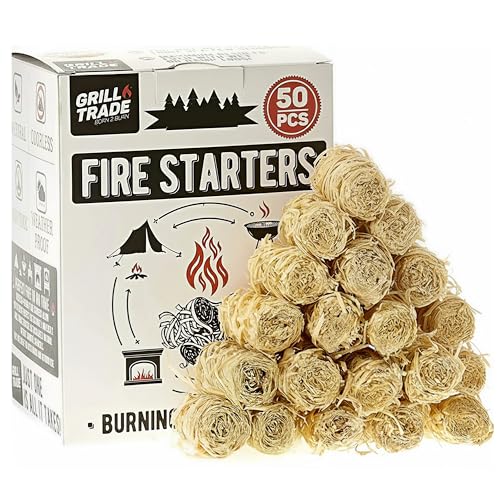
If you've ever struggled to get charcoal glowing on a damp morning or fought with lighter fluid fumes at a tailgate, you know the value of a reliable fire starter. The Grill Trade Fire Starters are small cubes made from pine wood shavings bound with food-grade wax. They light with a single match and burn steadily for 8 to 10 minutes, giving your coals or kindling enough sustained heat to catch and spread. Because they're odorless and leave no chemical residue, they work great for grills, smokers, campfires, and even indoor fireplaces or wood stoves.
These starters shine in less-than-perfect conditions. Their weatherproof coating means they'll spark up in light rain or windy gusts without sputtering out. For backyard grillers who cook year-round or campers who don't want to baby a fire, that reliability is a real plus. Each pack holds 50 cubes, and each cube is about the size of a large ice cube - easy to toss into a bag or stash in a grill caddy. You won't need to haul bulky lighter fluid cans or deal with messy electric starters.
Burn performance is straightforward: light one cube, place it under your charcoal chimney or pile of coals, and in 8-10 minutes you'll see the coals start to ash over. For smaller grills or campfire setups, a single cube is enough. For larger loads, using two cubes speeds things up. The wax and wood combination produces a steady, moderate flame that doesn't flare up aggressively, so it's safer around kids or pets than dousing coals with accelerant. And since it's food-grade, you don't have to worry about chemical off-gassing tainting your steak or burger.
Build quality is simple but effective. The cubes are firm and compact, with no loose sawdust or broken edges in the bag. They store well in the original box or any dry container, and because they're odorless, they won't perfume your camping gear with a smoky scent. The 50-piece count means you'll get several cookouts or camping trips out of one purchase. At this price point, they're competitive with other natural fire starters on Amazon, though you'll want to check the per-piece cost if you're a heavy user.
There are a couple of limitations to keep in mind. Each cube is single-use, so if you're an eco-conscious cook, you might prefer a reusable electric starter or a simple chimney method with newspaper. Also, while they light larger logs in a fire pit, you'll get best results when you have a good base of kindling or small splits. For a backyard BBQ enthusiast who cooks on weekends or a camper who wants one less thing to worry about, these starters are a practical, low-mess solution. They make a thoughtful gift for grill lovers too - something every outdoor cook can use.
Overall, the Grill Trade Fire Starters deliver on their promise: clean, fast, weather-resistant ignition without chemical odors. If you're tired of lighter fluid's aftertaste or want a reliable backup for rainy-day grilling, grab a pack. They're not flashy, but they do the job right where it matters - getting your fire going so you can focus on cooking.
Complete Guide to Building and Managing a Wood Fire Grill
Starting an outdoor wood fire grill requires transforming solid hardwood into a clean bed of radiant embers rather than cooking over turbulent flames. Wood fire cooking demands patience, disciplined airflow management, and the right combination of seasoned timber and non-toxic kindling. Rushing this process produces excessive smoke, bitter soot deposits on food, and fluctuating temperatures that can ruin good meat. Understanding how wood burns and how air feeds the fire gives you complete control over your outdoor cooking hearth.
Choosing the Right Hardwood Fuel for Clean Combustion
The foundation of a reliable cooking fire begins with proper firewood selection. Always burn well-seasoned hardwoods such as oak, hickory, pecan, apple, or maple that have cured for six to twelve months. Softwoods like pine, fir, and cedar contain high volumes of resin that pop violently, release unpalatable soot, and coat grates in foul residues. Quality seasoned splits typically show weathered ends, radial grain cracks, and make a sharp ringing sound when struck together.
Moisture content dictates whether your fire catches quickly or smothers in dense, acrid smoke. Fresh green wood contains roughly fifty percent water by weight, forcing the fire to waste heat boiling off internal moisture before producing cooking heat. For standard backyard grills, split your hardwood into mini-logs roughly ten to twelve inches long and two to three inches thick. Smaller splits ignite rapidly, respond predictably to air damper adjustments, and allow you to replenish the ember bed without dropping grill temperatures.
Essential Fire-Starting Tools and Chemical-Free Accelerants
Commercial lighter fluid has no place in a quality wood fire grill. Petroleum distillates release volatile chemical fumes that penetrate wood fibers, impart unpleasant flavors to food, and create dangerous flare-up hazards during lighting. Natural igniters crafted from compressed pine wood shavings and vegetable wax provide clean, odorless performance instead. Products such as the DIMTORI 70 pcs Fire Starter use pine wood shavings bonded with plant-based binder to deliver sustained ignition without leaving residual odors on your grates.
Similarly, compact squares like the HGD Fire Starter, 64 Mini Square or Grill Trade Fire Starters combine natural wood shavings with food-grade wax to burn steadily for eight to ten minutes. That burn duration provides ample time to ignite dry kindling and small wood chunks even under breezy outdoor conditions. For an option that eliminates matches entirely, the Pull Start Fire Starter, Pull String, No Matches activates with a simple pull mechanism and burns hot enough to light seasoned splits directly. Keeping non-toxic starters in your kit ensures you never need chemical accelerants.
The Chemistry of Draft, Airflow, and Oxygen Control
Fire is a chemical reaction that consumes oxygen, fuel, and heat in equal measure. In an outdoor grill, airflow is governed by the natural draft created when hot air inside the cookbox expands and rises toward the exhaust vent. As that heated air escapes, it draws fresh ambient air through lower intake vents to feed the base of the fire. Closing intake vents too early starves the ember bed for oxygen, dropping grill temperatures and generating heavy, smoldering gray smoke.
Managing intake dampers correctly allows you to dial in your target cooking heat without constantly rearranging fuel. Leave all vents wide open during the lighting stage to encourage rapid combustion and establish a strong draft. Once your wood splits break down into glowing coals, adjust the bottom damper down to stabilize airflow and slow the burn rate. Always leave the top exhaust vent partially or fully open to maintain continuous flow, because choking the exhaust traps bitter creosote inside the cooking chamber.
Stacking Architecture: The Log Cabin and Pyramid Techniques
How you arrange your kindling and wood splits determines how efficiently heat transfers between pieces during ignition. The log cabin method is one of the most reliable stacking structures for backyard grills because it forms a self-ventilating chimney. To build one, place two small hardwood splits parallel on the fire grate, set two more perpendicular across them, and place your natural fire starter and fine kindling in the central opening. This open lattice framework shields tender flames from wind while allowing fresh air to rush through from all four sides.
The pyramid structure offers another dependable alternative, particularly when starting a fire with wood chunks rather than full splits. Position your natural wax starter in the center of the grate, lean fine dry kindling twigs upward against one another, and build a secondary outer ring of small hardwood chunks. When lit from the base, rising flames naturally climb the angled kindling, preheating the larger wood chunks resting immediately above. Both structures prevent wood from collapsing prematurely onto the starter and smothering the young flame.
The Step-by-Step Ignition Sequence from Spark to Embers
Before lighting, clean out old ash accumulations from the bottom of the grill bowl to prevent air blockages around intake vents. Open both the lower dampers and the upper lid exhaust vents completely so that incoming oxygen circulates without restriction. Place two natural fire starter cubes or a mechanical pull-string starter in the center of the coal grate beneath your kindling lattice. Light the starters using a long lighter or pull the activation cord, confirming that flames are actively licking the bottom of the kindling.
Allow the kindling to burn vigorously with the grill lid off for ten to fifteen minutes. As the kindling collapses into a bright orange foundation of small coals, add two small hardwood splits directly over the hot zone using long grill tongs. Avoid overloading the firebox at this stage, since adding too much cold timber absorbs heat and stalls combustion. Let the wood catch fully, watching for bright flames to envelop the splits and begin charring their bark and edges.
Continue monitoring the fire as the logs break down into dense, glowing coals, which typically takes thirty to forty minutes depending on wood density. You should never place food on the cooking grate while tall, volatile wood flames are still leaping upward. Wait until the active flame subsides and leaves behind a deep bed of incandescent embers covered in light gray ash. At this stage, your wood fire has reached its peak cooking potential and is ready to deliver steady radiant heat.
Managing Smoke Quality: Distinguishing Dirty Smoke from Blue Smoke
A common misconception among beginner cooks is that massive billows of white smoke signify great barbecue flavor. In reality, thick white or gray smoke consists of unburned fuel gases, water vapor, and bitter organic acids produced by incomplete combustion. Placing food into heavy white smoke leaves an acrid, stinging taste on the surface of meat and causes unpleasant tongue numbness. Pitmasters call this dirty smoke, and it is a clear warning sign that your fire lacks sufficient oxygen or is burning wet wood.
Clean combustion produces thin, almost translucent blue smoke or faint shimmering heat waves rising from the grill vents. This blue smoke occurs when hardwood burns at high internal temperatures, consuming volatile compounds and releasing pleasant wood aromatics like guaiacol. If you notice your grill producing puffy white smoke mid-cook, open the lower dampers immediately to introduce fresh oxygen. You can also temporarily crack the grill lid to vent trapped smoke and help struggling embers catch clean flame again.
Setting Up Direct and Indirect Heat Zones for Cooking
Cooking directly over a solid bed of embers across the entire grate surface severely limits your culinary flexibility. Instead, use a heavy fire tool or long ash rake to bank the glowing coals toward one half of the grill bowl, establishing a two-zone cooking system. The side directly above the embers provides intense radiant heat perfect for searing steaks, charring vegetables, or crisping skin. The side without coals underneath acts as a gentle convective oven where foods can roast slowly without burning from direct thermal radiation.
This two-zone arrangement is especially critical when preparing delicate proteins or dishes that feature sugary glazes. For example, when cooking marinated kalbi short ribs, intense direct heat caramelizes the sweet marinade within minutes, but having a cool zone allows you to move flare-up-prone cuts to safety instantly. Similarly, tender glazed items like skewered pork barbecue benefit from finishing over gentle indirect heat after receiving an initial sear. Setting up dual zones gives you precise control over your cook regardless of how intensely hardwood embers radiate.
Portable and Compact Wood Fire Solutions for Travel
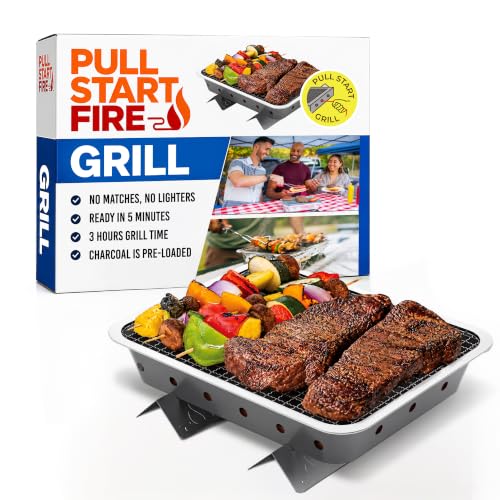
Cooking over natural hardwood fuel is not limited to permanent backyard fire pits or heavy steel barrel grills. Campers, tailgaters, and picnic enthusiasts frequently seek compact equipment that can produce wood-fueled flavor without requiring bulky gear. Self-contained units such as the Pull Start Fire Grill, Natural Hardwood Charcoal provide an integrated solution that combines pre-loaded hardwood charcoal fuel, a stainless steel cooking grate, and built-in ignition in a single compact frame.
These portable setups pack down flat, weigh around three pounds, and light with a single pull mechanism without requiring matches or bottled lighter fluid. The pre-loaded fuel brick reaches cooking temperature in approximately five minutes, providing steady heat across the cooking surface for up to three hours. When using any portable charcoal or wood fire grill away from home, always place the unit on a level, non-combustible surface such as bare ground, sand, or a heat-resistant tabletop. Once cooking is finished, allow spent fuel to cool completely before disposing of it according to park regulations.
Crucial Safety Rules: Clearances and Carbon Monoxide Prevention
Operating an open wood fire requires strict adherence to fire safety protocols to protect your home and family. You must never operate a wood fire grill, charcoal grill, or fuel-burning appliance inside a garage, breezeway, tent, or enclosed patio, even if garage doors or windows are left wide open. Burning hardwood produces massive amounts of invisible, odorless, and lethal carbon monoxide gas that can rapidly accumulate to deadly concentrations in semi-enclosed spaces. Furthermore, unpredictable sparks and windborne embers from hardwood can easily ignite nearby garage storage items, drywall, or vehicle fluids.
Always position your grill outdoors on a sturdy, non-combustible foundation such as concrete, brick, or gravel, maintaining at least ten feet of clearance from walls, deck railings, wooden fences, and overhanging branches. Keep a multi-purpose fire extinguisher rated Class A, B, and C or a dedicated bucket of clean sand within arm’s reach of your cooking station at all times. Never spray water directly into a roaring wood fire grill unless it is an absolute emergency, because sudden thermal shock can crack cast iron, warp steel grates, and send clouds of scalding steam and hot ash into the air.
Post-Cook Ash Care and Firebox Maintenance
Proper maintenance after cooking is just as critical as your initial fire-starting technique. Once your meal is finished, close all top and bottom vents completely to starve remaining embers of oxygen and extinguish the fire naturally. Never leave an outdoor grill unattended while embers are still hot, as unexpected wind gusts can blow smoldering coals out of open dampers or lid seams. Allow the ashes to cool inside the closed grill for twenty-four to forty-eight hours before attempting to clean the firebox.
Wood ash absorbs moisture from ambient outdoor air and forms potassium hydroxide, a caustic alkaline substance that quickly corrodes bare steel and ruins grill bowls if left sitting for weeks. After coals are completely cold, scoop the ashes into a dedicated metal container with a tight-fitting lid, never a plastic trash bag or paper grocery sack. Store that metal container outdoors away from combustible structures until you are ready to dispose of it or scatter the mineral-rich ash into your garden soil. Keeping your firebox swept and dry ensures that your grill remains rust-free and ready for your next cook.
Mastering a wood fire grill is an authentic outdoor culinary skill that bridges traditional hearth cooking with modern backyard barbecue. By choosing dry seasoned hardwoods, avoiding chemical starters, and giving the fire ample time to settle into clean glowing embers, you create the ideal foundation for flavorful cooking. Always confirm meat doneness with a calibrated digital thermometer rather than guessing by eye, and respect the natural power of open flame with diligent safety practices every time you cook outdoors.




Write Your Review
No reviews yet. Be the first to share your experience!