


Achieving a steakhouse-quality crust on a thick ribeye requires intense, concentrated thermal energy that many standard backyard cookers struggle to produce. Backyard grillers frequently wonder what gas grill gets the hottest when they want to transition from gentle roasting to blistered smash burgers, flash-seared tuna, and charred peppers. Heat output in gas appliances depends on far more than raw power ratings, as firebox engineering, hood insulation, and cooking grate density dictate how much thermal energy reaches your food. If you are designing an outdoor kitchen barbecue island setup, matching the appliance to your specific searing needs ensures you avoid the disappointment of gray, steamed meat.
Gas grills generate high heat through either convective hot air circulation or focused radiant energy. Models featuring specialized infrared systems or dense cast iron grates consistently deliver higher usable surface temperatures than wide-open cookers with thin metal grates. Understanding the interplay between burner ratings, cooking surface area, and heat retention helps you identify which cooker will truly reach blazing temperatures. The following guide examines the thermal dynamics of high-heat gas grilling, comparing burner configurations, specialized radiation plates, and structural designs to help you select the ideal high-temperature machine.

Pros
- Excellent heat output and even distribution for its size – sears well without hot spots
- Solid stainless steel construction feels premium and should resist corrosion outdoors
- Dual side shelves provide valuable prep space that folds away when not needed
- Cast iron griddle and grill grate included right out of the box – great value
- Grease management system with rear-angled drip tray keeps mess contained and cleanup fast
Cons
- At 29 pounds it's portable but on the heavier side for backpacking or long carries
- No built-in lid lock or carry handle makes transporting one-handed a bit awkward
- Burner control knobs could be more responsive at low settings for delicate foods like fish or veggies
The Cowsar Premium Dual-Burner Tabletop Gas Grill is a compact propane grill built for folks who love cooking outside but don't want to haul around a massive rig. Whether you're a backyard griller who needs a supplemental searing station, a camper who wants real flame-grilled flavor at the campsite, or a tailgater looking for a portable cooker that fits in the trunk, this grill checks a lot of boxes. It's also a solid match for RV owners and patio cooks who value space efficiency without sacrificing cooking performance.
Cooking performance is where this little grill shines. With 16,000 BTU (and a peak of 17,000), it gets hot fast and holds heat well thanks to the double-layered lid. The two burners distribute heat evenly across the cooking surface, so you can sear burgers and steaks with confidence or cook veggies without worrying about hot spots. The integrated thermometer reads from 0 to 1000°F, giving you real-time feedback for everything from low temp smoked cheese to screaming hot sears. While it won't deliver the deep smoke flavor of a dedicated smoker, you can add wood chips in a smoker box for a subtle smoky touch – perfect for gas grill fans who want a hint of smoke.
Build quality feels legit for the price. The grill uses a mix of SUS201 and SUS304 stainless steel, which resists rust and withstands weather far better than basic coated steel. The burners are thickened for durability, and the side shelves are sturdy enough to hold plates, sauces, or a beer. At 29 pounds, it's not ultralight, but the compact folded dimensions (48 x 15 x 21 inches) make it manageable for car camping and tailgate setups. There are no wheels or folding legs, so you'll need to set it on a table or flat surface, which is standard for tabletop models.
Setup is straightforward – attach the propane tank (1 lb or 20 lb via included regulator), turn on the gas, and light it. The ignition is reliable, and the burner control knobs let you dial in flame height without fuss. Cleanup is a standout feature here: the slide-out angled grease tray directs drips to a removable oil collection box, keeping flare-ups minimal and the grill tidy. The cast iron griddle and grate are preseasoned and easy to wipe down, though they benefit from a light oil after each use to prevent rust.
Realistically, this grill isn't ideal if you need to cook for a crowd of more than 6-8 people at once – the cooking area is generous for a tabletop but not huge. Also, wind can affect performance on breezy days, so a windscreen or sheltered spot helps. But for backyard dinner parties, campsite dinners, or pregame tailgates, it delivers honest, reliable heat and great taste.
If you're after a sturdy, well-equipped portable gas grill that won't break the bank, the Cowsar dual-burner is a smart buy. It combines solid construction, versatile cooking accessories, and easy cleanup in a size that fits most outdoor lifestyles. Whether you're flipping burgers at the RV park, grilling brats on the patio, or cooking breakfast on a camp table, this grill handles the job with confidence.
The dual burners produce 16,000 BTU total, which is plenty for fast searing on steaks and chops. Heat distribution is even across the 304 stainless steel grate and cast iron griddle, so you can cook different foods at different zones. The lid thermometer helps you maintain consistent temps without guesswork. For low-and-slow cooking, you can dial down the burners to hold around 250-300°F, making it possible to smoke small cuts or even a rack of ribs with indirect heat. This grill excels at quick, high-heat grilling and versatile flat-top style cooking – perfect for backyard parties and campsite meals.
Weighing 29 pounds and folding to 48 x 15 x 21 inches, this grill is portable enough for car camping, RV trips, and tailgates. It needs a flat table or stand – no legs or wheels, but the side shelves fold down for compact storage. The universal regulator works with both 1 lb disposable cylinders and 20 lb bulk tanks, giving you flexibility for short trips or long weekends. Setup takes just a few minutes: unfold shelves, connect tank, open lid, and light. No tools required.
Grease management is a strong point. The slide-out angled drip tray funnels oil into a removable collection box, so you can empty and wipe it quickly after each use. The stainless steel exterior wipes clean with a damp cloth, and the cast iron griddle and grate need only a quick scrape and light oiling. The rear-angled design prevents spills onto your table or ground, keeping your cooking area tidy. Overall, this grill makes post-cook cleanup far easier than many portable competitors.


Pros
- Versatile cooking modes let you grill, griddle, or charcoal with one appliance - ideal for backyard entertaining
- Even heat distribution with no hot or cold spots thanks to Amplifire technology, so food cooks consistently
- Griddle included means you can cook pancakes, eggs, or stir-fry right alongside your burgers without extra gear
- Solid build with a painted steel cabinet and metal handles that feel durable for long-term outdoor use
Cons
- Heavy at 187 pounds - not a portable option for camping or tailgating, best for a permanent patio spot
- Charcoal tray sold separately adds extra cost if you want the smoking feature, and assembly takes a couple of hours
The Charbroil Pro Series 4-Burner Gas Grill with Amplifire Infrared Technology is a versatile outdoor cooking machine built for the homeowner who wants more than just a standard gas grill. It combines a powerful propane grill, a built-in griddle, and the ability to run charcoal (with an optional tray) all in one cabinet-style unit. This is not a portable grill for campgrounds or tailgate lots; it's a backyard centerpiece designed for weekend BBQs, patio parties, and family meals where you want to cook everything from seared steaks and chicken to pancakes and fajitas on the same surface.
Who is it best suited for? Backyard grillers who love experimenting with different cooking styles will appreciate the 60-second swap between grill grates and griddle. BBQ enthusiasts who miss that charcoal smokiness can add the Gas2Coal tray and get the best of both worlds. Patio cooks and outdoor entertainers will find the 802.9 square inches of total cooking space enough for up to 25 burgers or 12 steaks at once, plus a warming rack for keeping sides hot. The side burner is handy for simmering sauce or boiling corn while the main grates are busy.
Real-world cooking performance is strong. The Amplifire infrared system spreads heat evenly across the 535 square inches of primary grilling space, so you don't get hot spots that burn one burger while leaving another underdone. Searing steaks works well - the cast-iron grates get hot fast and leave nice grill marks. The griddle surface heats consistently for pancakes, eggs, or chopped veggies. Temperature control is straightforward with four main burners plus a side burner, and the grill reaches 500 degrees in about ten minutes. For low-and-slow cooking, you can use indirect heat with the warming rack or go charcoal mode for real smoke flavor. Fuel efficiency is decent for a 45,000 BTU grill because the infrared system uses that energy effectively.
Build quality is solid for the price point. The lid is made of painted steel, the grates are porcelain-coated cast iron that resists rust, and the cabinet is sturdy enough to hold the weight. The two 8-inch wheels and two locking casters make moving it around the patio straightforward, but at 187 pounds you won't want to shift it often. Weather resistance is adequate for outdoor storage with a cover (sold separately). The griddle insert has a rear grease slot that channels drippings into the drip tray, making cleanup simpler than a full flat top.
Ease of setup and storage requires some assembly - plan a couple of hours with a friend. Once built, the cabinet offers enclosed storage for propane tank and tools. Cleaning the griddle is straightforward with a scraper and paper towels, and the porcelain grates can be brushed clean. The drip tray catches most grease, but you'll need to empty it regularly to avoid flare-ups. One realistic limitation is that the charcoal mode requires buying a separate tray (Gas2Coal), so if you want that smoky flavor, factor in the extra cost. Also, the grill is not portable - no folding legs or compact design, so it's strictly for stationary backyard use.
Overall, this is a practical recommendation for the serious backyard cook who wants one grill that can handle a variety of meals. It swaps between modes quickly, cooks evenly, and includes the griddle without extra charge. If you have a patio or deck and regularly host gatherings, this Charbroil Pro Series delivers versatility and solid performance without the price tag of a premium brand. Just be ready for the weight and assembly, and it'll serve you well for years of outdoor cooking.


Pros
- Heats up quickly and maintains steady temperature for predictable cooking results
- Versatile – can smoke, grill, or sear with minimal adjustment
- Sturdy build with cast iron grates and insulated lid for excellent heat retention
- Easy to transport and store thanks to folding legs and locking wheels
- Simple ash and grease cleanup saves time after backyard parties or campsite dinners
Cons
- Assembly can take a while and requires basic tools – follow the manual closely
- Weight is manageable for most, but not ultralight for backpacking trips
- Temperature control on smoke settings may have a learning curve for first-time users
If you're an outdoor cooking enthusiast who loves grilling, smoking, and even griddle cooking, this versatile combo unit deserves a close look. Designed to handle everything from quick weeknight burgers to weekend brisket projects, it bridges the gap between a dedicated smoker and a high-performance grill. Whether you're a backyard BBQ veteran or a camper craving smoky flavors at the campsite, this rig offers impressive flexibility.
In real-world use, the heat consistency stands out. The insulated lid and thick cooking grates hold temperature well, allowing you to sear steaks hot and fast then drop down for low-and-slow ribs. Smoke flavor is distinct without being overpowering – perfect for adding that wood-fired taste to chicken, pork shoulder, or even veggies. The temperature control system (whether dual burners or adjustable airflow) gives you fine command over cooking zones, so you can multitask with ease. Fuel efficiency is solid too – a full tank of propane or a chimney of charcoal gets you through long cookouts without constant refilling.
Build quality feels durable for the price point. The lid is heavy gauge steel with a tight seal that locks in heat and smoke. Grates are cast iron, rust-resistant, and easy to season for nonstick performance. Folding legs and sturdy wheels make the unit portable enough for tailgating or RV trips, though it's not backpack-friendly. Weather resistance is decent – the exterior coating holds up against light rain and sun exposure, but storing it covered will extend its life.
Setup involves some basic assembly – attaching legs, shelves, and handles – but the instructions are straightforward. Transport is aided by the two locking wheels and a fold-down design that fits in most SUV trunks. Cleanup is manageable: the grease tray slides out for dumping, grates can be scrubbed with a grill brush, and ash removal (if using charcoal) is simple with the removable pan. Storage is a plus when folded – it tucks into a garage corner or under a patio table.
No product is perfect. The weight, while manageable for two people, isn't ideal for solo backpacking. Temperature control in smoking mode may require practice to dial in perfectly, especially on breezy days. And the assembly could frustrate those who prefer ready-out-of-the-box setups. But these are minor trade-offs for the versatility it offers.
Overall, this outdoor cooking station is a smart buy for anyone who wants to grill, smoke, and griddle without buying three separate machines. Backyard hosts will love the cooking capacity for parties, campers will appreciate the portability, and tailgaters will enjoy the convenience. If you're looking to elevate your outdoor cooking without breaking the bank, this is a solid choice.
This unit excels at high-heat searing and low-and-slow smoking alike. The even heat distribution across the cooking surface means no cold spots, so burgers and steaks cook uniformly. Smoke production is rich but adjustable, allowing you to control intensity by managing airflow or pellet feed. Fuel efficiency is commendable – a 20-pound propane tank can last through several multi-hour cooks, while charcoal briquettes hold steady temps for brisket sessions. The griddle option (if included) gives a flat surface for breakfast or veggies, adding to its versatility for campsite meals or backyard brunches.
Weighing around 50 pounds, this grill is portable enough for tailgating and RV trips without being too heavy to lift into a vehicle. The folding legs lock securely, and the two large wheels roll easily over grass and gravel. A compact footprint when folded allows storage in small sheds or car trunks. Setup at a campsite takes under five minutes. Note: it's not designed for backcountry hiking due to size and weight, but for car camping and driveway use it's ideal.
Cleanup is straightforward thanks to a removable grease tray that catches drips and prevents flare-ups. Cast iron grates can be brushed hot and then seasoned lightly with oil to maintain nonstick properties. The ash pan (if charcoal model) slides out for quick disposal. After each use, wipe down the exterior with a damp cloth. Store with a cover to protect against rain and UV damage. With proper care, the durable construction will last for many seasons of outdoor cooking.

Pros
- Even heat distribution for reliable cooking
- Portable design with folding legs for easy transport and storage
- Easy to clean with removable grease tray and non-stick grates
- Quick ignition and simple temperature control
- Affordable price point for a versatile propane grill
Cons
- Limited cooking area may not suit large parties
- Build quality may not withstand heavy outdoor elements over time
- Lid could feel lightweight and may not retain heat as well as premium models
This propane grill is designed for outdoor cooks who value portability and straightforward grilling. It fits right into backyard barbecues, tailgating setups, campsite kitchens, or patio dining areas. If you need a gas grill that’s easy to move around and doesn’t take up much space, this one deserves a look.
In real-world use, the grill heats up quickly and maintains a steady temperature across the cooking grates. That means your burgers, hot dogs, and chicken thighs cook evenly without hot spots. The burners provide enough heat for searing steaks at high heat or slow-cooking ribs on a lower setting. While it won’t produce the same deep smoke flavor as a charcoal or pellet smoker, propane gives you convenience and instant heat adjustment, which is perfect for weeknight dinners or last-minute cookouts.
Build quality is decent for the price. The lid is made of painted steel, and the cooking grates are porcelain-enameled, which does a good job resisting rust and sticking. The folding legs are sturdy enough for repeated setup and takedown, and the wheels on one side help you roll it around your patio or campsite. It’s not built like a high-end stainless steel unit, so you’ll want to keep it covered or stored indoors when not in use, especially in wet climates.
Setting up this grill is straightforward – it comes mostly assembled, and you just attach the legs and propane tank (not included). Cleanup is one of its strong points: a pull-out grease tray catches drippings, and the grates can be scraped clean with a brush. The whole process takes only a few minutes, leaving you more time to enjoy your meal.
One realistic limitation is the cooking area. It’s enough for a family or a small gathering, but if you’re feeding a dozen people with multiple dishes, you might run out of space. Also, the lid is lightweight, which means heat can escape faster in windy conditions – something to keep in mind if you camp in breezy spots.
Overall, this propane grill is a practical choice for anyone who wants a reliable, portable gas grill without spending a lot. Backyard grillers will appreciate the even heat and easy cleanup, tailgaters will love the portability, and campers will find it convenient for cooking at their site. If you need something for occasional use and value simplicity, this grill delivers solid performance for the price.
One of the strongest selling points of this grill is how easy it is to move. The folding legs collapse quickly, and the compact size means it fits in a car trunk or the back of an SUV. Two wheels on one side help you roll it like a cart, and the overall weight is light enough for one person to carry. Whether you’re taking it to a tailgate, a campsite, or just moving it around the patio, the portability is genuinely convenient.
Setup at your destination is just as easy – unfold the legs, attach a small propane tank (1 lb disposable or 20 lb via adapter), and you're ready to cook in under two minutes. The grill also stays stable on uneven ground thanks to wide legs, which adds confidence when grilling off pavement.
Nobody likes scrubbing a grill for hours, and this one keeps cleanup simple. The porcelain-enameled grates release food residue easily, so a quick scrape with a brass brush after cooking is enough. The grease tray slides out from below the burners and can be emptied and wiped clean – no complicated disassembly needed.
For maintenance, keep the burners clear of debris and check the ignition system periodically. The exterior can be wiped down with warm soapy water, but avoid abrasive cleaners that might scratch the paint. If you store the grill outdoors, invest in a cover to protect it from rain and sun – that will extend the life of the components significantly.
Thermal Dynamics and High-Heat Performance in Gas Grills
Determining which gas cooker achieves the most blistering temperatures requires examining radiant energy transfer, chamber retention, and heat density rather than relying on total burner output numbers. Backyard cooks seeking a true steakhouse sear often discover that massive four-burner units heat slowly if their combustion chambers leak hot air through rear vents. Focused infrared technology and compact, heavily insulated fireboxes consistently deliver the highest surface temperatures to the cooking grates. Matching your searing goals to the correct engineering design ensures you achieve rapid Maillard browning without drying out tender cuts of meat.
BTU Ratings Versus Heat Flux: Why Total Firepower Is Misleading
British Thermal Units measure the amount of fuel energy a gas burner consumes per hour rather than the heat that actually transfers into your steak. A grill advertising forty thousand BTUs across an expansive five-burner deck might feel lukewarm compared to a two-burner portable cooker pushing sixteen thousand BTUs into a tiny cooking cavity. Experienced cooks evaluate heat flux, which is the total BTU rating divided by the primary square inches of cooking space. Calculating heat flux gives a clear picture of heat concentration across the primary grilling surface.
Standard residential gas grills typically range between seventy and one hundred BTUs per square inch of cooking grate area. High-performance searing models push that concentration upward to one hundred and twenty BTUs per square inch or higher, allowing rapid preheating and intense localized heat. For example, a three-burner configuration delivering thirty thousand BTUs over approximately two hundred and fifty square inches of primary space yields roughly one hundred and twenty BTUs per square inch. Burner geometry and flame tamer placement further dictate whether that concentrated energy effectively reaches the food or escapes out the rear vent.
Infrared Radiant Technology Versus Traditional Blue-Flame Convection
Traditional gas grills cook predominantly through convection, which circulates superheated air around the food inside the closed cooking chamber. While convective air works well for roasting whole chickens or baking delicate vegetables, it can strip moisture from steaks during prolonged high-heat cooking sessions. Air is an inefficient heat conductor, requiring significant time to transfer thermal energy into cold protein surfaces. Convective currents also create cooler pockets whenever you open the lid to flip your burgers or inspect grill marks.
Infrared grilling systems alter this thermodynamic equation by placing a dense radiant emitter plate between the gas burner and the cooking grates. In systems like Charbroil Amplifire infrared technology, the gas flame heats a specialized perforated emitter plate until it glows, converting raw gas combustion into direct radiant waves. Infrared radiation travels directly through the air without heating the atmosphere itself, depositing intense thermal energy directly into the meat. This radiant transfer sears food rapidly while locking natural juices inside the muscle fibers.
Radiant plates also eliminate convective drafts and direct flare-ups that scorch delicate proteins. Grease drippings fall onto the blistering emitter plate and vaporize instantly into aromatic smoke instead of pooling around open flame tubes. Because infrared plates catch and radiate virtually all burner energy upward, surface temperatures at the grates can reach over five hundred degrees Fahrenheit within ten minutes of ignition. For cooks whose primary priority is high-temperature steak searing, infrared emitters consistently outperform open-air tube burners.
Firebox Construction and Double-Wall Hood Insulation
Burner output means very little if the grill body allows thermal energy to radiate outward through thin metal panels. Single-walled sheet metal hoods lose significant heat through conduction, especially during breezy spring cookouts or chilly autumn evenings. When outside air cools the exterior lid, the internal chamber temperature drops precipitously, forcing burners to work harder to maintain high heat. High-temperature gas grills solve this problem by incorporating double-walled hoods that create an insulating air barrier.
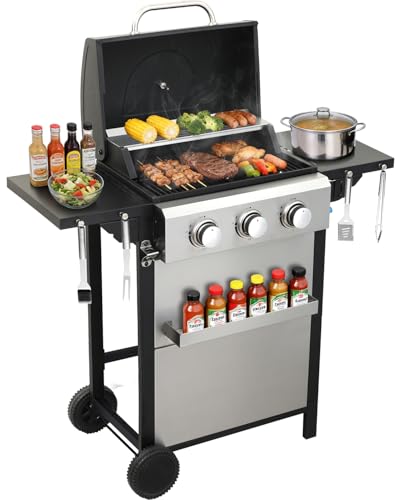
Grill designs like the Electactic Stainless Steel 4-Burner Gas Grill utilize complete stainless steel construction with a double-wall lid to trap heat within the chamber. Trapping thermal energy reduces overall warm-up times and allows integrated hood thermometers to climb toward top-of-scale readings. The inner metal liner reflects infrared energy back downward onto the cooking grates instead of letting it escape into the atmosphere. Heavy-gauge materials also absorb residual heat during preheating, preventing temperature crashes when cold meat hits the grates.
Cooking Grate Materials: Porcelain Cast Iron Versus Stainless Steel
Grill grates serve as the direct conduction medium responsible for deep sear marks and flavorful crust development. While open flames and radiant waves provide ambient and radiant heat, conduction from hot metal creates the intense surface browning known as the Maillard reaction. Choosing between cast iron and stainless steel grates fundamentally changes how your grill stores and delivers this conductive thermal energy. Each material possesses distinct thermal conductivity and retention properties that affect maximum searing temperatures.
Porcelain-coated cast iron grates, featured on models like the IdeaMaxx 3-Burner Propane Gas Grill, provide exceptional heat retention. Cast iron is a dense material that absorbs tremendous thermal energy during a fifteen-minute preheat cycle. Once saturated with heat, heavy cast iron bars do not cool down when a chilled steak contacts them. Stainless steel grates heat up faster and resist corrosion effectively, but they require thicker rod diameters to match the sheer thermal mass of heavy cast iron.
Compact Tabletop Performance and High-Heat Density
Many outdoor cooks assume that high temperatures require massive backyard appliances with four or six burner controls. In reality, compact tabletop gas grills frequently reach blistering temperatures faster than full-sized cart grills. A smaller internal volume requires far fewer BTUs to saturate with thermal energy, concentrating flame power into a tight area. When paired with high-output burners, compact portable grills can function as specialized high-heat searing stations.
The Cowsar Premium Dual-Burner Tabletop Gas Grill illustrates this compact performance by generating sixteen thousand BTUs within a portable footprint. Delivering that level of burner output into an intimate cooking chamber creates an exceptional heat-to-space ratio. Equipped with heavy cast iron grates and a double-layered lid, portable tabletop units trap heat efficiently during tailgates, camping trips, and small patio meals. The reduced air volume allows burners to rapidly recover lost heat after the lid is opened.
Two-Zone Heat Control and Steakhouse Searing Strategies
Cooking at peak grill temperatures requires precise zone management to avoid scorching meat before the interior reaches the desired doneness. Seasoned pitmasters configure a two-zone fire by setting one side of the grill to maximum output while keeping the opposing side on low or off entirely. This setup allows you to reverse-sear thick steaks, gently bringing the internal meat temperature up on the indirect side first. Once the interior reaches its target, moving the meat onto superheated grates delivers a fast, caramelized crust.
Direct high-heat cooking pairs exceptionally well with concentrated wood smoke flavor when you want authentic barbecue character from a propane grill. Positioning heavy-duty smoker boxes directly over active burner shields allows hardwood chips to smolder steadily without catching fire. The intense heat beneath the smoker box releases aromatic wood smoke that bathes the meat while it sears over direct flame. This simple addition elevates gas grilling by combining intense searing heat with wood-fired aroma.
Food safety standards established by the United States Department of Agriculture require verifying internal doneness with a reliable digital food thermometer. Poultry must always reach a safe minimum internal temperature of one hundred and sixty-five degrees Fahrenheit throughout the thickest part of the meat. Whole cuts of beef, pork, veal, and lamb should reach at least one hundred and forty-five degrees Fahrenheit, followed by a three-minute resting period to allow juices to redistribute. Ground meats require cooking to one hundred and sixty degrees Fahrenheit to eliminate potential pathogens.
Sauce Application Timing and Flare-Up Management
Applying barbecue sauces containing sugar or honey over extreme direct heat is a common mistake that ruins good meat. Fructose and sucrose caramelize pleasingly around three hundred and twenty degrees Fahrenheit, but they burn into bitter black carbon above four hundred degrees. If you are glazing ribs or chicken with a tangy South Carolina mustard sauce recipe, wait until the final five to ten minutes of indirect cooking before brushing it onto the meat. This technique allows the glaze to set into a glossy lacquer without scorching over intense flames.
Operating a gas grill at maximum output also increases the risk of sudden flare-ups and grease fires if the firebox is dirty. Fat drippings that accumulate on angled grease trays and flame tamers ignite rapidly when burner temperatures climb above six hundred degrees. Grills with rear-sloping grease management systems and removable collection cups direct hot oils safely away from combustion zones. Emptying the grease cup before firing up high-heat burners ensures that escaping drippings do not trigger an uncontrolled grease flare.
Critical Safety Warnings: Enclosed Spaces and Fuel Handling
Operating any gas or charcoal grill inside a garage, breezeway, carport, or enclosed patio represents an extreme life-safety hazard. Burning propane produces deadly carbon monoxide, a colorless, odorless gas that displaces oxygen in the bloodstream and causes fatal poisoning within minutes. Leaving a garage door wide open or turning on exhaust fans does not provide adequate air exchange to prevent toxic gas accumulation. Fire-safety organizations and grill manufacturers explicitly state that fuel-burning grills must only be operated outdoors in open-air settings.
High operating temperatures also increase the danger of structural fires if clearances around the cooker are neglected. Grills operating at maximum output radiate intense heat through the rear vent and side panels, which can melt vinyl siding or ignite dry wooden deck rails. Maintain a clearance of at least ten feet between the grill and any combustible walls, overhangs, deck railings, or dry landscaping. Always verify that overhead areas are completely unobstructed by patio awnings, pergolas, or low-hanging tree branches before lighting high-output burners.
Propane tank safety is equally vital when running high-capacity burners at maximum throttle for extended periods. Inspect the flexible regulator hose for cracking, abrasions, or kinks before every grilling session, replacing any worn components immediately. Perform a soapy water leak test around the tank valve and brass connection fittings whenever swapping fuel cylinders. When your cooking session concludes, always close the propane cylinder valve first, allowing remaining gas to burn out of the manifold before shutting off the burner control knobs.
Troubleshooting Low Flame and Restoring Maximum Heat
When a previously blazing gas grill suddenly struggles to climb past three hundred degrees Fahrenheit, a tripped safety device is often the cause. Modern propane regulators contain a safety bypass check valve designed to restrict fuel flow if a rapid pressure drop occurs. Turning on a burner knob before opening the propane tank valve can trip this mechanism, trapping the regulator in low-flow mode. You can easily reset the valve by shutting off the tank, opening and closing the burner knobs to bleed pressure, and then slowly reopening the tank valve.
Clogged burner tubes represent another common reason for disappointing heat output and uneven temperature distribution across the cooking grates. Small spiders and garden insects often nest inside burner venturi tubes during the off-season, obstructing fuel-air mixing. A blocked venturi tube starves the burner of oxygen, resulting in weak yellow flames that fail to generate intense cooking heat. Cleaning the burner tubes with a specialized venturi brush restores crisp, clean combustion and brings operating temperatures back to factory specifications.
Practical Selection Principles for High-Temperature Gas Grilling
Choosing a gas grill capable of delivering extreme heat comes down to balancing burner density, firebox insulation, and specialized radiant components. Rather than seeking the largest overall BTU specification, prioritize models with high heat flux ratings, robust double-walled lids, and dense porcelain-coated cast iron grates. Units featuring infrared radiant technology provide the most efficient path to blistered crusts and rapid cooking times while minimizing flare-ups. Focusing on these foundational engineering elements ensures your backyard cooker consistently achieves the searing power you demand.




Write Your Review
No reviews yet. Be the first to share your experience!