


Cooking on a backyard grill brings exceptional flavor to weekend meals, but charred grease and sauce residue quickly build up across the cooking grates. Many outdoor cooks worry about stray metal wires detaching from standard scrubbers and contaminating food, prompting them to learn how to clean a gas grill without a brush. Sticky marinades such as homemade cranberry barbecue sauce can caramelize into stubborn carbon deposits that resist casual wiping. Fortunately, effective heat management, household steam techniques, and dedicated bristle-free tools provide reliable ways to restore cooking surfaces safely.
Gas grills offer precise burner regulation that makes thermal cleaning remarkably straightforward when compared to charcoal or wood units. Understanding the differences between porcelain-enameled steel, seasoned cast iron, and heavy stainless steel grates ensures you choose the proper approach without scratching protective finishes. Routine maintenance also extends burner lifespan and prevents hazardous grease accumulation inside the firebox. By adopting practical alternatives to wire bristles, you can keep your cooking surface sanitary while protecting family and guests from dangerous metal ingestion hazards.
Pros
- Steam cleaning action reduces scrubbing time and effort on greasy grates
- Bristle-free design eliminates risk of wire bristles ending up in food
- Flexible sponge head cleans between grates and around curved surfaces easily
- Works on hot grills for immediate cleaning after cooking
Cons
- Requires a hot grill to activate steam – not ideal for cold cleaning
- Sponge head may wear out faster than traditional brush bristles with heavy daily use
- Scraper is effective but can be less precise on intricate grate patterns
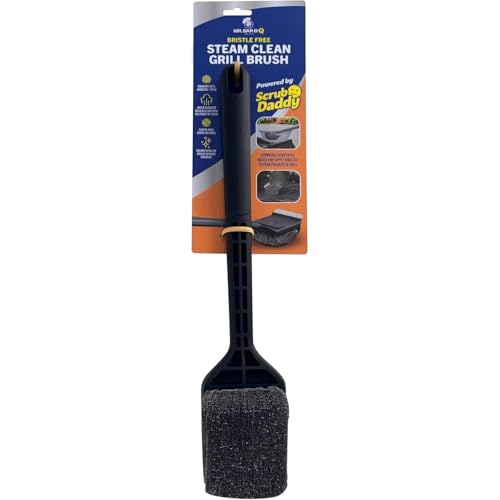
If you’ve ever spent a Saturday afternoon scraping crusted grease off a gas grill or fighting with bristles that shed onto your burgers, you’ll appreciate what the Mr. Bar-B-Q Steam Clean Grill Brush brings to the table. This isn’t your standard wire brush – it’s a water-activated steam cleaner combined with a Scrub Daddy sponge head and a bristle-free stainless steel mesh. Designed for backyard grillers, campers, tailgaters, RV owners, and anyone who cooks outdoors regularly, it promises a faster, safer way to get your cooking surface ready for the next meal.
The key feature is the steam action. You dip the brush head in cold water, then run it across a hot grill – the water instantly turns to steam, lifting burnt-on food and grease without aggressive scrubbing. This is especially handy after a long low-and-slow smoke session or a high-heat sear on a charcoal kettle. The steam does the heavy lifting, so you spend less time elbow-greasing and more time enjoying your backyard party. It works on any grill type: gas, charcoal, electric, smokers, kamado, and even flat tops.
Safety is a big deal here. Traditional wire brushes can leave behind metal bristles that end up in your food – a real concern for anyone who’s had a close call. The ArmorTec mesh is bristle-free and won’t shed. It’s tough enough to scrape off thick carbon deposits but gentle on porcelain-coated grates. The Scrub Daddy sponge head adds flexibility, letting you clean between grates and around curved surfaces. The built-in scraper handles the really stubborn buildup, like the crust on a grill that’s been used for tailgating all season.
Build quality feels solid for the price. The handle is 17 inches long, giving you safe distance from the heat, and the whole brush weighs just over half a pound, so it’s easy to maneuver. The sponge head is replaceable, though you’ll need to buy refills separately. One limitation: the steam activation only works on a hot grill. If you prefer cleaning a cold grill, you lose that benefit, though the mesh and scraper still work. Also, the sponge may wear faster than traditional bristles if you’re cleaning heavily charred grates every day.
Cleanup is simple – rinse the brush under water after use, and it’s ready for next time. It stores easily hung on a hook or in a drawer. For campers and RV owners, this brush is a great space-saving tool that eliminates the need for chemical cleaners. Tailgaters will love how quickly it preps a grill between rounds of burgers and brats. Overall, this brush is a practical upgrade for anyone who wants a safer, more efficient way to keep their outdoor cooking gear clean.
Keeping the Mr. Bar-B-Q Steam Clean Grill Brush in good shape is straightforward. After each use, rinse the sponge head and mesh under warm water to remove any grease residue. Let it air dry completely before storing to prevent mildew on the sponge. The sponge head is replaceable – when it starts to wear out or lose its scrubbing power, simply swap in a new one (sold separately). Avoid using abrasive cleaners or metal scouring pads on the brush itself, as they can damage the sponge. For deep cleaning, you can soak the head in warm soapy water occasionally. Store the brush in a dry place, like a hook on your grill cart or in a drawer, to keep it ready for your next cookout.
This brush shines in a variety of outdoor cooking scenarios. For backyard grillers, it’s perfect for quick cleanups after weeknight burgers or weekend steaks – just steam and scrape. Campers and RV owners will appreciate its lightweight, compact design and the fact that it uses only water, no chemicals, so it’s safe for campsite cooking. Tailgaters can use it between rounds of cooking to keep grates clean without hauling heavy cleaning gear. It also works well on kamado grills and smokers where bristle safety is a concern. The steam action is especially effective on greasy residue from low-and-slow cooks. For anyone who entertains often, this brush makes post-party cleanup less of a chore, so you can spend more time with guests.

Pros
- Two-in-one cleaning action saves time and adds safety peace of mind
- Wide head cleans large grates efficiently
- Comfortable, non-slip handle gives good control even with wet hands
- Sturdy build resists rust and handle snapping
Cons
- Helix side may not remove extremely baked-on grease as aggressively as some stiff wire brushes
- 18-inch handle is good for most grills but might feel short on extra-deep cooking surfaces
- Some users might prefer a longer handle for larger commercial-style grills
If you spend any time around a grill, you know that cleaning the grates is one of those chores that can make or break your next cookout. The GRILLART Grill Brush aims to solve a common problem: how do you get your grates thoroughly clean without worrying about loose wire bristles ending up in your food? This brush uses a clever combination of a traditional wire side and a helix coil side to give you a safer, more effective clean.
This brush is built for anyone who takes their outdoor cooking seriously. Backyard grillers who fire up the gas or charcoal grills every weekend will appreciate how quickly the wide wire head cuts through stuck-on grease and food bits. Campers and tailgaters will like the compact size and lightweight build that makes it easy to toss in a cooler or gear bag. Even RV owners who cook on portable grills will find it handy for quick cleanups at the campsite.
In real-world use, the dual-sided design really shines. After a long session of searing burgers or grilling chicken, the wire side makes short work of the heavy residue. Then you flip it over and use the helix side to scrub away any leftover debris and catch any loose bristles that might have come off. This two-step process gives you peace of mind that your grates are clean and safe for the next meal. The wide brush head covers more ground with each pass, so you spend less time scrubbing and more time enjoying your backyard or patio.
Build quality is solid for the price. The stainless steel bristles resist rust well, even when left out in the elements between cooks. The handle is made from a high-quality anti-slip material that feels secure in your hand, even when things get greasy. At 18 inches, it keeps your hands safely away from the heat, though if you have a very deep grill, you might wish for a couple extra inches of reach. That said, the handle feels sturdy and doesn't flex or snap under normal pressure.
Cleanup is straightforward. After scrubbing, just rinse the brush with water and give it a shake. The helix side does a good job of self-cleaning, and the wire side sheds residue easily. One realistic limitation is that the helix coil isn't quite as aggressive as a heavy-duty wire brush for tackling truly caked-on carbon deposits. For routine cleaning after each cook, though, it works great.
Overall, the GRILLART Grill Brush is a practical, well-thought-out tool for anyone who grills regularly. It combines speed and safety in a way that makes sense for real outdoor cooking. Whether you're a weekend BBQ enthusiast, a tailgater, or a camper, this brush will help you keep your grates in good shape and your food safe. It also makes a solid gift for the grill-lover in your life.
Pros
- Bristle-free design eliminates dangerous loose wires, making cleanup safer for families and pets
- Triple helix coils provide effective scrubbing without scratching delicate porcelain or ceramic grates
- Built-in scraper with grooves handles tough residue on round grates, reducing the need for additional tools
- Long handle offers good reach and leverage, keeping hands away from heat during cleaning
Cons
- Not suitable for mesh grates, limiting use on certain grill types
- Scraper may require extra elbow grease on heavily charred residue compared to dedicated scraper tools
- Handle could feel slightly bulky for those with smaller hands, though it provides good grip
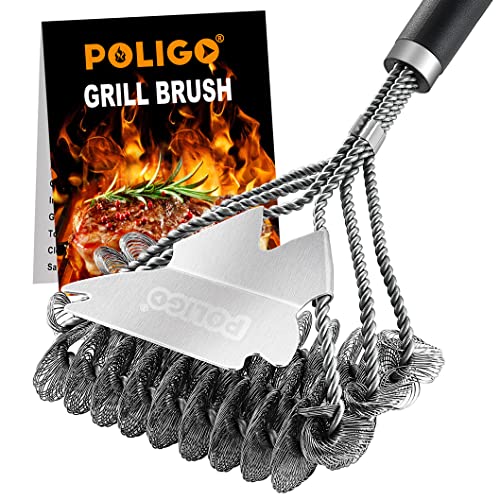
If you have spent any time around a grill, you know that cleaning the grates is one of those chores that can make or break your next cookout. The POLIGO BBQ Grill Cleaning Brush aims to solve two common headaches: the danger of loose bristles and the struggle with stuck-on gunk. This bristle-free brush uses a triple helix design made from stainless steel coils, paired with a built-in scraper, to tackle grime without scratching your precious grates. It is a straightforward tool designed for anyone who fires up a gas, charcoal, smoker, or porcelain grill in their backyard, at the campsite, or during a tailgate.
For backyard grillers and BBQ enthusiasts who cook regularly, safety is a big deal. Traditional wire brushes can shed bristles that end up in your food, which is not something you want to worry about when flipping burgers for a crowd. The POLIGO brush eliminates that risk entirely. The coiled metal strands are firmly attached and do not break off, so you can scrub aggressively without second-guessing. The built-in scraper is a nice bonus for those times when cheese or marinade gets baked onto the grates, though you might need to put a bit of muscle into it for really stubborn spots.
In terms of real-world cooking performance, this brush shines in the cleanup phase, which is just as important as the cooking itself. After a low-and-slow session with ribs or a fast sear on steaks, the grates can look rough. The large cleaning head covers a decent area per stroke, and the scraper's grooves fit round grates nicely. It works well on porcelain and ceramic surfaces, which are common on many gas grills and pellet smokers. The 18-inch handle is a practical length, keeping your hands away from the heat while giving you enough leverage to apply pressure. For campers and RV owners, the lightweight design means it is easy to pack and store without taking up much space.
Build quality is decent for the price point. The stainless steel coils and scraper resist rust well, provided you do not leave them soaking in water. The handle feels solid with a reinforced ring near the head, so it should not snap under normal use. That said, it is not built like a heavy-duty industrial tool, but for regular weekend BBQs and patio cooking, it holds up fine. One limitation to note: this brush is not designed for mesh grates, so if you have a grill with that type of surface, you will need a different tool. Also, the scraper is effective but not as aggressive as a dedicated metal scraper, so you may need a few extra passes on heavily charred residue.
Cleanup is straightforward: rinse the brush with water and give it a shake. The coils can trap small bits of food, so a quick spray with a hose helps keep it clean. Storage is easy, just hang it or toss it in a drawer. For tailgaters who want a safer, no-fuss cleaning tool that works on most standard grates, the POLIGO brush is a practical choice. It is especially good for families with kids or pets where food safety is a top priority. If you are a die-hard griller who prefers a heavy-duty scraper for deep cleaning, you might want a dedicated scraper as a backup, but for everyday use, this brush gets the job done.
Overall, the POLIGO BBQ Grill Cleaning Brush is a solid addition to any outdoor cook's toolkit. It addresses the bristle safety issue without sacrificing cleaning power, and the built-in scraper adds convenience. Whether you are a backyard entertainer, a weekend camper, or a tailgating regular, this brush helps keep your grill in good shape so you can focus on what matters: cooking great food.

Pros
- Complete wire-free peace of mind with zero risk of metal bristles detaching into meals
- Heavy-duty dual notched scrapers fit round grate rods for faster grease removal
- Extended 17.7-inch handle provides ample clearance from intense grill heat
- Resilient rustproof stainless steel holds up well to outdoor patio exposure
- Works effectively with water to create steam-cleaning action on hot grates
Cons
- Requires slightly more physical pressure than traditional wire bristles on stubborn corners
- Best cleaning results require heating the grill and dipping the coil in water before scraping
- Head profile is somewhat wide for ultra-compact tabletop camp grills
Clean cooking grates are the foundation of great barbecue, whether you are searing ribeyes over lump charcoal or running a long pork butt smoke on a pellet grill. The Ribber Bristle-Free Grill Brush and Scraper is a dedicated cleaning tool engineered to replace hazardous wire brushes that can shed sharp steel strands into food. Featuring heavy-duty stainless steel coils paired with a rigid front scraper, it handles caramelized sauces, heavy grease deposits, and charred carbon across gas grills, charcoal kettles, and offset smokers.
This tool is suited for backyard cooks, competition barbecue enthusiasts, RV campers, and tailgaters who want quick, worry-free cleanup. Grilling across porcelain-coated steel, seasoned cast iron, and thick stainless rods requires a tool that cleans without gouging finishes or leaving metal behind. Switching to a continuous coil scraper lets you prep your cooking surface for family gatherings or big cookouts with confidence.
Grate maintenance plays a big role in food flavor and heat consistency. Old carbon crust and stale grease impart bitter notes to meat and cause unwanted flare-ups. The integrated scraper features custom-cut grooves that straddle round grate bars, lifting stuck residue in a single push. To maximize cleaning power on hot grates, dipping the triple-helix coils into a bucket of water creates an instant burst of steam, loosening stubborn glazes so the coils can wipe them away smoothly.
Durability matters for outdoor gear left near the pit through changing seasons. The tool measures over 17 inches long, giving you plenty of leverage while protecting your hands from heat waves rising off hot burners or glowing briquettes. Built from rust-resistant stainless steel, the head and shaft stay rigid under pressure. The textured handle provides a steady grip even when slick with grease or handled with heat-resistant gloves, and the hanging loop makes cart storage straightforward.
While coil cleaners require a bit more muscle on flat surfaces compared to fine wire bristles, the safety advantages are undeniable. For pitmasters, tailgaters, and backyard hosts looking for reliable grate hygiene without wire bristle worries, this scraper delivers dependable cleaning performance season after season.
Using this bristle-free brush effectively comes down to heat and moisture. Fire up your grill to medium-high heat for ten minutes to burn remaining fats down to ash. Dip the coiled head in a tub of warm water, then glide the scraper and coil over the hot bars. The moisture hits the hot metal, generating steam that lifts grease without requiring harsh chemical cleaners.
Maintaining the tool itself is simple. Rinse the coils and scraper edge under warm running water with standard dish soap to break down trapped fats. Because it is constructed from stainless steel, you can hang it outdoors on your grill hook or smoker cart without worrying about rapid rusting or degradation.
This scraper is well-suited for high-traffic weekend cookouts where you need to scrape grates clean between cooking batches of burgers, sausages, and steaks. The notched front edge strips away burnt barbecue sauce quickly, preventing old drippings from smoking out delicate meats during subsequent cooks.
It is also a great companion for campsite cooking and tailgating rigs. Portable charcoal kettles and propane camping grills often accumulate heavy grease from quick fires, and having an all-in-one scraper and coil brush in your gear bin keeps portable grates sanitary and ready for breakfast bacon or dinner chops.
Safe and Effective Methods for Cleaning a Gas Grill Without a Wire Brush
Maintaining a clean cooking surface does not require risky wire bristles that can detach and lodge into grilled food. Learning how to clean a gas grill without a brush allows you to keep your grates sanitary, protect delicate surface coatings, and preserve steady burner airflow. Regular care also minimizes sudden grease flare-ups while extending the overall service life of your outdoor cooking equipment.
The Serious Ingestion Hazards of Metal Wire Bristles
Medical professionals and consumer safety organizations continually highlight the physical risks associated with standard wire grill brushes. Over repeated heating cycles and heavy scraping sessions, thin steel bristles fatigue, snap free from their base, and adhere to sticky grates. When fresh meat or vegetables touch those bars, loose metal fragments transfer directly into food and can cause severe internal puncture injuries if accidentally swallowed.
Gas grills create specific conditions that accelerate wire shedding because cooks frequently scrub the metal while the grates remain intensely hot. The combination of thermal stress and directional friction loosens bristle clusters far faster than room-temperature cleaning. Because dark steel bristles blend into charred grate bars, spotting a stray needle before serving dinner becomes nearly impossible without meticulous visual checks.
Simple Household Scraping Solutions for Quick Cleaning
Common household materials offer convenient, food-safe scraping power without requiring you to purchase expensive specialized gear. A crumpled ball of heavy-duty aluminum foil, gripped securely with a pair of long stainless steel tongs, serves as an effective mechanical scrubber. The pliable foil conforms directly to the contours of round grate bars, dislodging caramelized marinade crusts and burnt drippings without shedding hazardous metal splinters.
A fresh, halved yellow onion provides another reliable traditional method that harnesses natural moisture and mild acidity to soften stubborn residue. Securing the cut onion face onto a sturdy barbecue fork allows you to rub it smoothly across heated grate rods. As the vegetable heats, its moisture releases aromatic steam that breaks down grease deposits while applying a subtle protective barrier that helps prevent sticking during your cook.
Hardwood scrapers deliver a durable, non-metal option that gradually molds to the exact layout of your gas grill grates over time. Radiant heat from the warm cooking grid slowly singes custom grooves into the leading wooden edge, enabling the paddle to clean the tops and sides of individual bars simultaneously. Because wood yields soft organic shavings rather than sharp needles, any incidental debris simply burns away harmlessly in the firebox below.
Utilizing Thermal Burn-Offs and Steam Action
The closed lid of a gas grill functions much like a domestic self-cleaning oven when all main burners are set to high heat. Closing the cookbox and allowing the interior temperature to peak for ten to fifteen minutes incinerates lingering drippings into powdery carbon ash. Once the thermal cycle finishes, shutting off the gas supply and allowing the metal to cool allows you to wipe away loose residue with a damp cotton cloth.
Steam action enhances thermal cleaning by breaking the surface tension of greasy films without relying on caustic chemical sprays. Dipping a specialized tool like the Mr. Bar-B-Q Steam Clean Grill Brush Powered into cold water and applying it to warm grates produces instant vapor that loosens stubborn carbon. Its water-activated Scrub Daddy foam core flexes between cooking bars while an exterior stainless steel mesh scours the metal without shedding loose wires.
Backyard cooks without specialized steam gear can achieve similar results by using standard kitchen tongs and saturated cotton bar towels. Soaking a clean towel in cool water, wringing out the excess moisture, and carefully wiping the warm metal creates an aggressive vapor cloud that lifts sticky sauce residues. This thermal shock method works particularly well after basting meats with rich marinades like sweet Filipino pork barbecue skewers, which otherwise harden into stubborn surface glaze.
Modern Bristle-Free Helical Scrubbers and Scrapers
Outdoor tool manufacturers have developed dedicated bristle-free scrubbers that offer mechanical scraping power while completely eliminating loose wire hazards. Continuous stainless steel helix coils, such as those featured on the POLIGO BBQ Grill Cleaning Brush Bristle Free, wrap tightly around solid steel frames rather than using separate clipped wires. These spring-like loops flex into grate gaps to scour multiple surfaces simultaneously across wide pushing strokes.
Some hybrid tools offer dual cleaning mechanisms, such as the GRILLART Grill Brush [Wire + Helix], which pairs an eighteen-inch handle with wide cleaning geometry. The extended handle keeps your hands well away from rising heat while providing ample leverage to dislodge baked-on residue with minimal physical strain. Its wide head format covers substantial grate area per pass, helping you prep the cooking area swiftly before entertaining guests.
All-in-one scraping tools like the BBQ Grill Brush and Scraper combine continuous metal coil scrubbers with built-in notched stainless steel scraper blades. The rigid scraper blade slices through thick crusts on top of the bars before the flexible coils scour rounded edges. Because these implements use welded continuous loops and solid steel blades, they withstand firm pressure on warm grates without shedding wire splinters into the grill.
Step-by-Step Deep Cleaning Guide for Internal Grill Parts
Achieving a thorough clean requires looking beyond the upper cooking grid to maintain the burners, heat tents, and firebox floor. Begin by turning all control knobs to the off position and closing the primary cylinder valve on your propane tank or natural gas line. Disconnecting the fuel regulator entirely ensures no combustible gas can enter the manifold while you service internal components.
Lift the cooking grates out of the grill and place them into a utility tub filled with warm water and degreasing dish soap. While the grates soak, lift out the flavorizer bars or angled heat deflectors positioned directly over the burner tubes. Use a flat plastic putty knife or non-scratch scraper to remove baked-on drippings from these metal shields, pushing dry residue down into the lower catch pan.
Inspect the stainless steel burner tubes closely to ensure every individual flame port remains completely clear of obstruction. Small spiders, insects, and charred grease commonly block these tiny holes, which can disrupt gas flow and cause uneven heating or hazardous burner flashback. Brush gently across the port openings with a soft nylon pad or clear blocked holes using a wooden toothpick without altering the original hole diameter.
Scrape the interior walls of the cookbox, guiding accumulated carbon and grease downward into the slide-out collection tray below. Empty the grease cup, discard any used foil liners, and wash the metal tray with warm soapy water to eliminate flammable grease stores. Reassembling dry heat deflectors and clean cooking grids ensures optimal airflow, balanced heat distribution, and reliable burner ignition during future cooks.
Grate Material Care: Cast Iron, Porcelain, and Stainless Steel
Understanding the specific material of your cooking grates ensures you choose appropriate cleaning techniques that prevent accidental surface damage. Porcelain-enameled grates feature a smooth glass coating over cast iron or steel that resists corrosion and reduces sticking. Metal scrapers with sharp square corners can chip this brittle ceramic layer, exposing raw steel beneath to moisture, humidity, and progressive rust formation.
Bare cast iron grates rely on a protective seasoning layer of polymerized oil rather than chemical degreasers to resist oxidation. Prolonged soaking in soapy water strips this delicate seasoning, leaving the porous metal surface vulnerable to rapid pitting and surface rust. After cleaning cast iron with a bristle-free coil or foil ball, apply a thin coat of high-smoke-point cooking oil to restore moisture protection.
Solid stainless steel grates provide exceptional durability, tolerating heavy steam, rigid scrapers, and high heat without losing structural integrity. Even though stainless steel resists chipping, avoiding caustic oven cleaners helps maintain the protective chromium oxide film that prevents staining. If stubborn carbon discolors stainless steel rods, applying a mild paste of baking soda and water lifts residues without scratching the polished metal.
Gas Safety, Ventilation, and Fire Prevention Standards
Operating a gas grill or conducting high-temperature cleaning cycles must always take place in open, well-ventilated outdoor areas. Liquid propane and natural gas combustion releases carbon monoxide, a dangerous toxic gas that can accumulate quickly inside enclosed spaces. Never ignite or clean a gas grill inside a residential garage, workshop, breezeway, or screened porch, even if the main doors remain open.
Position your outdoor grill on a level, non-combustible surface at least ten feet away from house walls, vinyl siding, deck rails, and wooden eaves. Heavy grease buildup inside the cookbox presents a notable fire hazard during thermal burn-offs, making active supervision essential throughout high-heat operation. Keep a certified class B or multi-purpose dry chemical fire extinguisher readily accessible nearby whenever operating outdoor cooking equipment.
Whenever you disconnect and reattach fuel hoses during maintenance, inspect all gas fittings and rubber seals for signs of wear. Applying a solution of liquid dish soap and water across the connection joints reveals potential leaks through the formation of growing bubbles. If soap bubbles appear around the coupling, shut off the gas valve immediately and retighten or replace the regulator hose before relighting.
Managing Flavor Residue and Wood Smoke Buildup
Caramelized drippings and lingering smoke film can transfer unwanted flavors to delicate foods like fish or chicken if left unchecked between sessions. Grill owners who enhance cook flavors using dedicated smoker box setups know that sticky creosote deposits naturally coat the inner lid over time. Wiping the inside of the grill hood with a warm damp cloth prevents flaky carbon from peeling and dropping onto fresh food.
Scraping the grates immediately after removing cooked food requires far less physical effort than tackling cold, hardened grease hours later. Shutting off the gas supply and spending thirty seconds running a bristle-free tool across warm bars capitalizes on residual heat. Wiping a thin film of cooking oil across the warm metal with a paper towel afterward creates an effective barrier against ambient atmospheric moisture.
Recommended Maintenance Schedule for Gas Grills
Establishing a regular cleaning schedule prevents heavy grease accumulations from turning simple upkeep into an exhausting chore. A brief post-cook burn-off and quick scrape after every grilling session keeps cooking grates clean and ready for your next meal. Applying fresh oil before and after cooking prevents food from sticking while providing ongoing corrosion defense for the metal bars.
Conducting a monthly check of the lower grease tray and burner port openings prevents hazardous grease buildup and ensures balanced flame patterns. Checking the collection cup regularly prevents overflow accidents that can stain patio surfaces or ignite during high-heat cooking cycles. Taking time to inspect internal burner components guarantees consistent temperature regulation across every zone of the cooking chamber.
Switching to bristle-free cleaning practices protects your family from wire ingestion hazards while keeping your gas grill in top condition. Whether you use everyday kitchen staples like foil and onions or rely on durable continuous-helix scrubbers, consistent maintenance yields excellent cooking results. By pairing safe mechanical scraping with regular burner and grease management, you can enjoy delicious, worry-free barbecue throughout the entire grilling season.


Write Your Review
No reviews yet. Be the first to share your experience!