

Managing outdoor fire requires more than just cranking the burners or dumping lit charcoal into the bowl. Knowing exactly what temperature is a hot grill helps you sear thick steaks without burning them and prevents lean meats from drying out over excessive flames. High-heat cooking typically occupies the range between 450 degrees Fahrenheit and 550 degrees Fahrenheit, where surface browning happens rapidly while the interior cooks through. Mastering this zone allows backyard cooks using charcoal pits or propane grills with infrared sear burners to achieve steakhouse-quality crusts on quick-cooking cuts.
Grill temperatures fluctuate based on lid position, fuel quality, air dampers, and outdoor wind conditions. Relying solely on factory lid indicators can be misleading, as air near the dome often differs significantly from the heat radiating right at the grates. Installing an accurate replacement gauge or monitoring surface zones ensures your cooking surface reaches the proper threshold before any protein touches the metal. Understanding the mechanics of high heat ensures consistent searing results while protecting your food from flare-ups and bitter scorching.


Pros
- Simple, tool-free installation with included wing nuts fits most grill and smoker lids.
- Large 2-inch dial with clear markings makes temperature monitoring easy from a distance.
- Waterproof and fog-proof design works reliably in rain, snow, or humid conditions.
- Affordable 2-pack provides great value for dual-zone cooking or as a backup.
Cons
- Dial markings may not be as precise as digital probes for exact low-and-slow temps.
- Mounting hole size is fixed, so it may not fit all grill lids without drilling or adapting.
- Stainless steel finish can show fingerprints and smudges after heavy grease exposure.
If you've ever grilled a steak only to find it charred on the outside and raw in the middle, you know the value of a good thermometer. The YOTOM 2-Pack BBQ Grill Temperature Gauge is a straightforward, no-fuss tool that helps you keep an eye on your cooking temperature without breaking the bank. Whether you're manning a charcoal kettle, a gas grill, or a dedicated smoker, this 2-inch dial thermometer gives you a clear read on what's happening inside your cooker.
This thermometer is built for backyard grillers, BBQ enthusiasts, campers, and tailgaters who want better heat control. If you're the type who loves smoking brisket low and slow on a Saturday, or you're flipping burgers for a crowd at a tailgate, this gauge helps you avoid guesswork. It's also a solid upgrade for older grills or smokers that lack a built-in thermometer, giving you a reliable way to monitor temperature without spending a lot.
In real-world use, the 2-inch dial is easy to read from a few feet away, which is handy when you're juggling tongs, a beer, and a conversation. The surface is waterproof and fog-resistant, so even on a damp evening or during a sudden rain shower, you won't lose sight of your target temp. That's a big plus for outdoor cooking where weather can change fast. The gauge responds reasonably quickly to temperature changes, though it's not as instant as a digital probe. For most grilling and smoking tasks, it provides enough accuracy to keep you in the right zone.
Build quality is solid for the price. The stainless steel casing resists rust and handles the heat of a lid-mounted position without warping or discoloring. Installation is simple: drill or use an existing hole, insert the threaded stem, and tighten the wing nut from inside. It fits most grill lids, smoker doors, and even oven panels. Just make sure your mounting hole is the right size, as the stem is a fixed diameter. If you're mounting on a very thick lid, you might need a longer stem, but for standard grills it works fine.
One realistic limitation is that the dial markings are printed and not as fine as those on premium thermometers. For precise low-and-slow cooking around 225°F, you'll still want a digital probe for accuracy. But for general grilling, smoking, and oven use, this gauge gives you a reliable ballpark reading. The 2-pack is a nice bonus, letting you monitor two cooking zones or keep a spare for your camping setup. Cleanup is easy, just wipe the face with a damp cloth, but avoid submerging it.
Overall, the YOTOM BBQ Grill Temperature Gauge is a practical, affordable addition to any outdoor cooking setup. It's best for backyard cooks and campers who want a simple, durable thermometer that mounts easily and works in all weather. If you're looking for a budget-friendly way to improve your heat control for weekend BBQs, tailgating, or patio cooking, this 2-pack delivers solid value without any frills.

Pros
- Clear, color-coded face simplifies temperature monitoring for different cooking styles
- Waterproof and fog-resistant design performs well in outdoor conditions
- Easy to install on most grills and smokers with simple screw-and-nut mounting
Cons
- May not fit all grill lid holes due to standard thread size - check compatibility before purchase
- Accuracy could vary at extreme ends of the range based on user feedback
- Limited to 100-550°F scale, not suitable for very low-temperature cold smoking
If you've ever tried to guess the temperature inside your charcoal grill or smoker by holding your hand over the grate, you know it's not exactly reliable. The NEWSTART BBQ Thermometer Gauge is here to fix that. This is a simple, no-frills analog thermometer designed to replace or upgrade the stock temperature gauge on your pit, smoker, or charcoal grill. It reads from 100 to 550 degrees Fahrenheit and uses color-coded zones - Smoke, BBQ, and Grill - so you can quickly tell where you're cooking without squinting or guessing.
This thermometer is best suited for backyard grillers who want better heat awareness, BBQ enthusiasts who smoke brisket or ribs, and campers or tailgaters who use a portable charcoal setup. It's not a high-tech digital probe, but it gives you a solid ballpark reading that's way better than nothing. The large dial and bold numbers are easy to read from a few feet away, which is handy when you're juggling tongs, a beer, and a plate of burgers.
Build quality is decent for the price. The outer housing is stainless steel, and the face is advertised as waterproof and fog-resistant - a nice touch for those rainy backyard parties or humid camping mornings. The mounting hardware includes a screw thread and wing nut, so installation takes about two minutes. Just drill or enlarge a hole in your grill lid, slide it through, and tighten. No special tools needed.
One realistic limitation is compatibility - the thread size might not match every grill or smoker lid out there, so check your existing hole diameter before ordering. Also, like most analog thermometers, the accuracy could be a little off at the very top or bottom of the range, but for typical grilling and smoking temps (225-400°F), it should serve you well. It's no substitute for a dual-probe digital thermometer if you're doing precise overnight smokes, but for everyday BBQ, it does the job.
Cleanup is simple - just wipe the face with a damp cloth. There's no grease management needed since it's mounted on the lid, not near direct flame. The gauge feels durable enough to survive a few camping trips bouncing around in the truck bed. Overall, it's a practical, budget-friendly upgrade that helps you cook with more confidence, whether you're searing steaks for a crowd or slowly smoking pork shoulder for a Sunday get-together.

Pros
- Simple, no-nonsense installation fits most grill and smoker lids with a standard hole punch or included hardware
- Stainless steel body stands up to outdoor weather, grease splatter, and repeated heat cycles without fading or warping
- Large dial with color zones helps you quickly see if you're in the ideal smoking or grilling range
- Affordable price makes it a budget-friendly upgrade for older grills or replacement for broken gauges
Cons
- Dial and stem length may not be suitable for very thick smoker lids or insulated cabinets without an adapter
- Only one mounting option (rear 1/4-inch NPT thread) — not compatible with all aftermarket brackets
- Accuracy at extreme ends of the scale (below 100°F or above 700°F) may be slightly less consistent than premium digital probes
If you've ever cooked on a grill or smoker that came with a cheap, fogged-up thermometer that reads “smoke” or “hot” instead of an actual number, you know how frustrating guessing temps can be. The DOZYANT BBQ Charcoal Grill Smoker Temperature Gauge is a straightforward fix for that problem. This stainless steel dial thermometer replaces or upgrades the built-in gauge on most charcoal grills, gas grills, smokers, and even ovens. It's aimed squarely at backyard grillers, BBQ enthusiasts, campers, and tailgaters who want a reliable, easy-to-read heat indicator without spending a lot of money.
In real-world use, the large 2-3/8-inch dial is a clear highlight. The markings run from 50°F up to 800°F, with color-coded zones for different cooking styles. You can quickly see when your smoker is holding a steady 225°F for brisket or when your charcoal grill has hit 500°F for searing steaks. The 2-7/8-inch stem reaches into the cooking chamber just enough to get an accurate reading, and the stated 2% measurement accuracy is good enough for most backyard cooks. It's not as precise as a digital probe, but for monitoring ambient temps inside a covered grill or smoker, it does the job well.
Build quality feels solid for a $10 thermometer. The case is made from stainless steel that resists rust and corrosion—handy when you're dealing with rain, grease splatter, and the constant heat of a summer cookout. The lens is waterproof and doesn't fog up even when you're smoking in damp weather or after a heavy spray of water to control flare-ups. Installation is simple: if your grill or smoker has a 1/4-inch NPT threaded hole, you can screw this in directly. If not, you'll need to drill a hole or use an adapter. It's a five-minute job that immediately gives you a more functional temperature gauge than most stock units.
For portability and outdoor practicality, this gauge is small and lightweight (just 0.13 pounds). It works great on a portable charcoal kettle for tailgating or a camping smoker at a campsite. That said, it's a permanent-mount accessory — not a probe you can carry in your pocket. You install it once and it stays put. Cleanup is easy: a wipe with a damp cloth keeps the stainless face and bezel looking fresh. The dial doesn't have a digital display or Bluetooth, which some high-tech users might miss, but for the price, reliability is what you get.
There are limitations to be aware of. The stem is only 2-7/8 inches long, so if your smoker or grill has a very thick lid or an insulated cabinet, the tip might not extend far enough into the chamber. In that case, you'd need a longer stem model. Also, the accuracy might drift at the very top or bottom of the scale — it's a mechanical bimetallic coil, not a precision digital sensor. For low-and-slow smoking (225-275°F) or fast grilling (350-500°F), it's plenty reliable. But if you're running an exacting competition cook, you'll still want a separate digital probe for meat internal temps.
Overall, the DOZYANT BBQ Temperature Gauge is a solid, affordable upgrade for anyone who cooks outdoors. Whether you're a weekend backyard griller who wants to stop guessing your grill temp, a camper using a small offset smoker, or a tailgater with a portable charcoal grill, this gauge gives you useful, repeatable readings. It's not a flashy gadget, but it does exactly what it's supposed to do — tell you the heat inside your cooker so you can focus on the food. If your current thermometer is fogged, broken, or just inaccurate, swapping it out for this stainless steel dial is a cheap and effective fix for better outdoor cooking results.
Pros
- Fast temperature readout helps maintain consistent heat for low-and-slow smoking or direct grilling
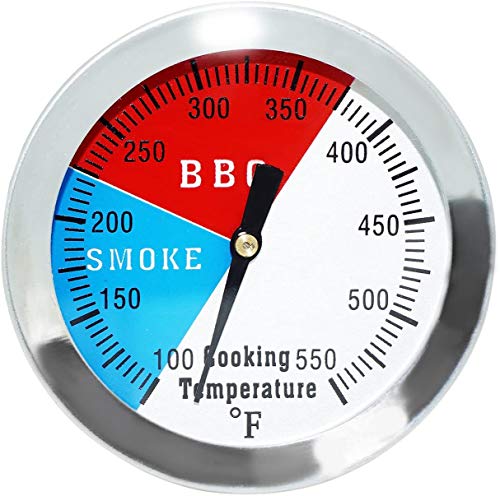
- Large, easy-to-read dial with colored zones simplifies temperature management for beginners
- Stainless steel probe resists rust and corrosion for long-term durability
- Affordable price makes it a great replacement or backup thermometer
Cons
- Analog accuracy may drift over time and requires occasional calibration check
- Designed for external mounting – exposure to excessive steam or liquid can cause temporary fogging
- Single-pack only; if you're monitoring multiple grill zones you'll need to buy more
The DOZYANT 2 Inch BBQ Thermometer is a straightforward, no-nonsense temperature gauge built for charcoal smokers, offset pits, and outdoor grills. If you're the type of backyard cook who likes to keep things simple – no Bluetooth, no apps, just a reliable needle on a dial – this thermometer delivers exactly that. It's designed to mount on the exterior of your grill or smoker, with a long stainless steel probe that reads the internal air temperature near the cooking grate.
This thermometer is best suited for BBQ enthusiasts, weekend backyard grillers, and anyone who owns a charcoal or wood-fired smoker. It's also handy for DIY pit builders or those replacing a worn-out factory gauge. Campers and tailgaters who use portable charcoal grills might appreciate the analog simplicity, though it's not intended for direct contact with food – it measures ambient pit temperature, not internal meat temp.
In real-world cooking, the DOZYANT gauge shines during low-and-slow sessions like smoking brisket or pork shoulder. The 3-4 second response time means you get a quick idea of temperature changes after adding charcoal or adjusting vents. The large 2-inch face with three color-coded zones (green, yellow, red) helps you stay within your target range without squinting. It reads from 100 to 550 degrees Fahrenheit, which covers most smoking and grilling needs. That said, analog thermometers often lag slightly compared to digital probes, and this one is no exception – it's best used as a reference alongside a quality instant-read thermapen for spot checks.
Build quality is decent for the price. The stainless steel probe and housing resist rust and corrosion, which is critical for outdoor gear exposed to rain, humidity, and grease. The mounting nut and washer feel basic but do the job. Just be aware that the instructions warn about condensation fogging if the gauge is installed in a location with heavy steam or liquid exposure – for example, directly above a water pan in a smoker. The fog clears on its own, but it's something to consider when choosing where to drill your hole.
Setup is as easy as it gets: drill or find a 1/2-inch hole in your grill lid or side, insert the probe from the outside, and tighten the lock nut from the inside. No wiring, no batteries, no calibration out of the box. Cleanup is just a wipe of the dial face and probe. Because it's so small and lightweight (0.04 pounds), it won't affect portability, and it stores easily in a drawer or tool bag.
Honestly, this thermometer isn't going to blow you away with precision, and the potential for fogging in high-moisture environments is a real limitation. But for around ten bucks, it's a practical upgrade for any charcoal grill or smoker that came with a flimsy or broken stock gauge. If you're a backyard BBQ enthusiast who values simplicity, or you're building a custom smoker on a budget, the DOZYANT gives you a functional, easy-to-read temperature window without frills. Just pair it with a good meat probe for best results.
Practical Heat Control: Defining High Grill Temperatures and Monitoring Techniques
Pinpointing the right cooking temperature separates soggy, pale meats from beautifully caramelized barbecue. When pitmasters ask what temperature is a hot grill, the practical target sits between 450°F and 550°F (232°C to 288°C). This temperature band provides sufficient thermal energy to drive off surface moisture instantly and trigger rapid browning without turning fats into bitter soot. Navigating this zone requires understanding how fuel, airflow, and thermometer placement influence the actual heat transferring into your food.
Standard Temperature Zones for Backyard Grills
Outdoor cooking generally divides into distinct temperature brackets, each suited to specific culinary goals. Low heat ranges from 225°F to 275°F, creating the gentle convective environment needed for tenderizing tough briskets, pork shoulders, and ribs. Medium-low heat spans 300°F to 350°F, which accommodates delicate roasts, whole chickens, and dense root vegetables that need steady internal cooking without surface charring. Medium heat settles between 350°F and 400°F, serving as the standard all-purpose setting for poultry pieces, fish fillets, and baked items.
Medium-high heat covers 400°F to 450°F, offering an ideal setting for searing sausages, bone-in pork chops, and sliced vegetables. High heat begins firmly at 450°F and extends through 550°F, representing the true hot grill zone intended for rapid direct searing. Beyond 550°F lies the extreme searing range, reaching upwards of 600°F to 700°F on commercial steakhouse broilers, specialized infrared burners, or hardwood charcoal beds. Operating in each bracket requires intentional vent adjustments and burner settings rather than guessing based on flame height.
Dome Thermometers Versus Grate-Level Cooking Temperatures
Lid-mounted gauges display the ambient air temperature circulating inside the cookbox, but they rarely reflect surface heat at the grate. Heat rises toward the hood, yet outdoor breezes and burner output create vertical temperature differences. In many gas and charcoal setups, cooking grates run twenty-five to fifty degrees hotter than the hood dial indicates during direct grilling. During indirect cooking, rising warm air can conversely cause the dome thermometer to read warmer than the grates where food rests.
Bi-metal stem thermometers mounted in grill lids feature stainless steel probes extending into the cooking chamber. Gauges with two-inch to three-inch dials allow cooks to monitor rising heat from several paces away without lifting the lid. Many replacement units provide color-coded zones across their faces that identify smoking, barbecue, and grilling ranges up to 550°F. Selecting a replacement gauge with waterproof housing and sealed glass prevents internal fogging during damp evening cookouts.
Stem length plays an essential role when mounting a temperature indicator through a grill lid. A probe extending approximately two and one-half inches reaches past the inner lid boundary layer, capturing ambient chamber heat without colliding with warming racks. Threaded stems paired with wing nuts simplify installation across pre-drilled kettle lids or custom pits. Checking analog gauges periodically in boiling water confirms whether your lid dial maintains a reliable baseline before high-heat cooking.
The Manual Hand Test for Estimating Grill Heat
When cooking over charcoal pits without built-in dials or during portable camping sessions, the manual hand test provides a dependable backup. To perform this estimate safely, place your open palm approximately three to four inches above the clean cooking grate. Count the seconds in a steady cadence before radiant heat forces you to pull your hand away. Never touch the grate bars directly, and always keep loose sleeves secured away from rising embers.
A hot grill registering between 450°F and 550°F will force you to pull your hand back after two to three seconds. If you can comfortably hold your palm in place for four to five seconds, your grill sits in the medium-high zone around 400°F. Holding your hand in place for six to seven seconds indicates medium heat, while eight to ten seconds corresponds to low smoking temperatures. Pairing this manual check with an analog dial delivers the precise thermal feedback required for consistent results.
Searing Science and the Maillard Reaction at High Temperatures
Applying intense heat to meat triggers the Maillard reaction, where amino acids and sugars rearrange into flavorful aromatic compounds. This reaction accelerates once surface temperatures surpass 300°F, but surface moisture initially stalls temperature rise at water’s boiling point. High grill heat between 450°F and 550°F flashes away exterior moisture quickly, clearing the path for deep browning and savory crust development. Without sufficient grill heat, meat slowly steams in its own juices, resulting in a pale surface and muted flavor.
Achieving a mahogany crust without overcooking the center requires balance, especially on thicker cuts of meat. Searing meat over intense flames does not lock in juices, but it creates a rich textured surface that improves mouthfeel. Prolonged exposure to temperatures above 600°F can burn proteins and transform rendered fats into bitter black soot. Knowing when to utilize intense heat and when to transition meat to gentler indirect zones preserves moisture while maximizing exterior flavor.
Best Foods for Direct High-Heat Grilling
Direct high heat excels when cooking tender, relatively thin proteins that finish in ten minutes or less. Boneless ribeye steaks, strip steaks, skirt steaks, and thin smash burgers thrive under intense 500°F radiant energy that browns the exterior before the interior overcooks. Pork chops cut one inch thick, skinless chicken tenders, and bone-in lamb chops also benefit from quick high-heat searing on both sides. Seafood selections like tuna steaks and peeled shrimp develop excellent char marks while keeping their interior flesh moist.
Vegetables with high sugar or water content also perform remarkably well under brief exposure to high grill temperatures. Asparagus stalks, bell pepper slices, thick red onion rings, and halved zucchini brown quickly while maintaining a crisp, tender snap. Dense root vegetables or bone-in poultry breasts, however, will scorch on the outside long before their interior reaches safe levels under direct flames. For these larger items, combining high-heat searing with lower convective roasting ensures thoroughly cooked food without bitter burnt skins.
Achieving and Maintaining High Heat Across Different Grill Types
Generating high heat on a gas grill requires clean burner tubes, adequate fuel pressure, and closed-lid preheating for ten to fifteen minutes. High-output burners concentrate thermal energy under cast-iron or heavy stainless grates, allowing the metal to absorb and store conductive heat. Keeping the grill lid closed during preheating traps rising convective air, bringing the firebox up to 500°F before cooking commences. If a gas grill fails to climb past 350°F, checking the regulator for safety bypass lockouts or clearing debris from venturi tubes often resolves restricted fuel flow.
Charcoal grills achieve searing heat through oxygen management and fuel selection rather than control knobs. Hardwood lump charcoal burns hotter and faster than compressed briquettes, making it an excellent choice for driving pit temperatures beyond 500°F. Opening both bottom intake dampers and top exhaust vents draws fresh oxygen directly through the glowing coals, accelerating combustion. Piling lit coals into a concentrated two-zone arrangement maximizes radiant heat across one half of the grate while establishing a gentle holding zone on the opposite side.
Pellet grills operate primarily via forced-air convection, making sustained 500°F surface searing more challenging than on direct-flame cookers. While modern wood pellet grills incorporate sliding sear plates and specialized diffusers to expose food to open flames, they rely heavily on automated augers feeding compressed wood pellets. Cooks looking to infuse gentle hardwood aromatics without sacrificing high-heat flexibility on standard grills often rely on dedicated smoker boxes positioned directly over active gas burners. Managing your specific fuel type according to its mechanical strengths ensures your grates reach the target heat window every time.
Managing Flare-Ups and Common High-Heat Pitfalls
Operating a grill at high heat dramatically increases the likelihood of grease fires and sudden flare-ups. When rendered animal fats or sugary glazes drip onto glowing coals or gas flavorizer bars, they vaporize into smoke or ignite into uncontrolled flames. Licking yellow flames deposit black soot onto the meat surface, imparting an unpleasant petrol flavor that ruins an otherwise good cut. Trimming excess exterior fat down to one-quarter inch reduces dripping fuel, while keeping an indirect cool zone allows you to move food out of harm immediately.
Dirty grill grates coated in old carbonized residue present another frequent obstacle during high-heat cooking sessions. High temperatures bake old debris onto the bars, causing raw protein fibers to bond tenaciously with the grate metal. Brushing grates thoroughly with a scraper while the grill is preheating strips away stubborn residue before food touches the surface. Applying a light coat of high-smoke-point oil to meat surfaces rather than the grates reduces sticking and prevents excessive smoke billowing.
Misinterpreting surface char as a reliable indicator of doneness remains a hazardous mistake among backyard cooks. Searing temperatures can turn chicken skin or burger exteriors dark brown in minutes while the center remains raw and unsafe. Verifying internal doneness with a calibrated digital meat thermometer eliminates guesswork and prevents foodborne illness. Ground beef must reach 160°F, poultry requires 165°F, and whole cuts of pork or beef should reach your desired internal target followed by a brief resting period.
Safety Precautions and Heat Management Around Hot Grills
Operating an outdoor cooker at temperatures exceeding 450°F demands rigorous safety practices to protect your property and family. A hot grill radiates substantial thermal energy outward, requiring at least ten feet of clear perimeter distance away from vinyl siding, wooden deck railings, and low-hanging branches. Never attempt to operate a fuel-burning grill inside a garage, breezeway, screened porch, or enclosed structure, even with exterior roll-up doors fully open. Enclosed spaces trap deadly carbon monoxide gas and present severe structural fire hazards that no amount of cross-ventilation can safely mitigate.
Lifting a grill hood when internal temperatures run high introduces a massive rush of fresh oxygen to the firebox. In charcoal pits or heavy gas cookers, this sudden oxygen surge can cause a dangerous flashover that shoots flames toward your hands and face. Always burp a hot grill by cracking the lid an inch or two for several seconds to allow air pressures to equalize before opening the hood completely. Wearing heat-resistant leather grilling gloves and using long stainless steel tongs prevents thermal burns when maneuvering foods over intense searing zones.
Practical Workflow for Consistent High-Heat Cooking
Establishing a predictable grilling routine ensures consistent results while keeping high temperatures fully under control. Begin by inspecting your fuel levels, burner tubes, and ash catcher to confirm unrestricted airflow and steady fuel delivery. Ignite your burners or chimney starter, close the lid, and allow the firebox to preheat for ten to fifteen minutes until the lid gauge settles between 450°F and 500°F. Once the dial confirms target heat, clean the grates with a sturdy brush and prepare your ingredients on a nearby prep cart.
Lay your seasoned proteins across the hot grate with space between cuts to avoid dropping firebox temperatures through thermal overload. Keep the lid closed as much as possible to maintain convective heat, opening only to flip meat when it naturally releases from the grate bars. If stubborn flare-ups occur, shift the food toward your established indirect zone rather than extinguishing flames with water sprays that create steam scalds. Following these measured steps ensures you harness the full power of a hot grill safely, producing perfectly browned, juicy meals on every cookout.



Write Your Review
No reviews yet. Be the first to share your experience!