


Grill maintenance often brings up concerns regarding wire bristles detaching and ending up in prepared food. Many outdoor cooks wonder whether do wood grill scrapers work well enough to replace traditional metal brushes entirely. Wooden cleaning tools offer a solid, bristle-free alternative designed to scrape charred residue from barbecue grates without shedding dangerous metal strands. Over time, the radiant heat from hot grates helps mold the wood to the specific spacing of your bars, creating custom grooves for deeper cleaning.
These natural accessories suit various cooking surfaces, including stainless steel, cast iron, and porcelain-enameled metal. Whether you run traditional charcoal setups or modern wood pellet grill options, using the proper cleaning tool protects delicate coatings while clearing away stubborn grease. Understanding how wooden scrapers perform, how they develop custom grooves, and which wood types hold up best allows you to maintain clean grates with peace of mind. Taking a closer look at the physics of wood scraping reveals why this simple method has become an essential outdoor cooking solution.
Pros
- Completely bristle-free – no more worrying about stray metal wires in your burgers or steaks.
- Works on all common grate materials without scratching or damaging the surface.
- Comfortable wooden handle with a natural grip that doesn't slip when wet or greasy.
- Lifelong replacement policy gives peace of mind for a modest investment.
Cons
- Not as aggressive on heavily charred, baked-on residue compared to metal scrapers.
- Wood may soak up grease over time and can develop odors if not dried thoroughly after cleaning.
- Requires a bit more elbow grease for thick, stuck-on debris compared to a wire brush.
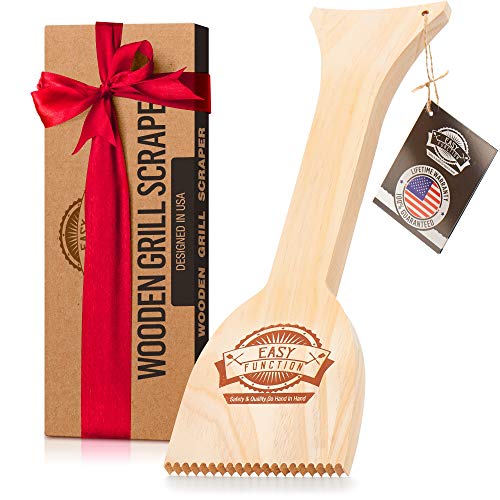
If you spend your weekends flipping burgers on a gas grill, slow-smoking ribs on a charcoal kettle, or searing steaks on a cast-iron flat top, you know the satisfaction of a clean cooking surface. But you also know the nagging worry about wire grill brushes shedding metal bristles into your food. The Easy Function Wood Grill Scraper offers a safe, effective alternative that every outdoor cook should consider.
This isn't another metal brush with tough bristles that can break off and end up in your meal. Instead, the scraper uses a solid block of A-grade pine wood that molds slightly to the shape of your grates as you apply pressure. The QuickClean Tech is simple: the wood grains and the beveled edge dig into residue without scratching porcelain enamel, ceramic coating, stainless steel, or cast iron. It is especially useful for porcelain-coated grates that are prone to chipping if scrubbed too hard.
In real-world backyard cooking, this scraper excels at daily cleanup after grilling chicken, veggies, or thin burgers. The 15-inch length gives you enough reach to clean a four-burner gas grill without bending too close to the heat. It also works on flat top griddles—just scrape warm (not hot) to lift grease and bits. For campers and tailgaters, the lightweight wood design is easy to pack and won't rust like a metal brush left in a damp cooler or storage bin.
Build quality is solid: the pine wood is dense and resists splintering under normal use. The natural brown finish feels good in the hand, and the scraper won't conduct heat like metal if you accidentally touch a hot grate. However, it is not intended for heavy-duty scraping of burnt-on carbon after a long, fatty cookout—you might need a dedicated stone or scraper for that. Also, because it is wood, it can absorb grease and moisture, so rinsing and drying it thoroughly after each use is important to prevent odors or cracking.
Who is this for? Backyard grillers who want peace of mind when cooking for family and friends. RV owners and campers who need a compact, rust-proof cleaning tool. Tailgaters who set up on concrete lots and want a quick cleanup after a big spread. And anyone who has ever found a wire bristle in their steak—once is enough. The Lifelong Promise replacement policy is a nice bonus, showing the brand stands behind the scraper's durability.
Realistic limitations? Heavier buildup on grill grates after smoking a pork shoulder for 12 hours may require pre-soaking or a metal scraper for initial pass. The wood will also wear down over time, but that is expected with a natural cleaning tool. If you want a safe, effective, and bristle-free way to maintain your grill, this scraper is a smart addition to your outdoor cooking kit.
To keep your Wood Grill Scraper performing well, rinse it with warm water after each use while the grates are still warm (but not hot). Use a mild dish soap to cut grease if needed. Shake off excess water and let it air dry completely before storing. Do not soak it in water for extended periods, as prolonged moisture can warp the wood. If you notice surface splinters, you can lightly sand them with fine-grit sandpaper. Store it in a dry place away from direct heat or rain. With proper care, the scraper will last through many cookouts, and the Lifelong Promise covers replacements if anything goes wrong.
This scraper is ideal for daily grill maintenance on gas grills, charcoal kettles, pellet grills, and flat top griddles. Use it after cooking burgers, hot dogs, chicken breasts, fish, or vegetables to quickly remove food residue. It is also great for tailgating setups where you want a bristle-free tool that won't damage portable grills. Campers will appreciate the lightweight, non-metallic design that fits easily into a camping box or RV drawer. For heavy-duty cleaning after smoking brisket or cooking large amounts of fatty meat, combine it with a grill stone or scraper for initial passes, then finish with the Wood Grill Scraper for a safe, scratch-free final clean.

Pros
- Natural hardwood construction is sturdy and gentle on grates
- Custom-fit design improves cleaning effectiveness over time
- Safe alternative to wire brushes eliminates bristle hazards
- Long handle keeps hands away from hot surfaces
Cons
- Requires initial heat-and-pressure break-in to shape to your grill
- Not suitable for very delicate or ceramic-coated grates if used aggressively
- Wood can crack if left in rain or stored improperly
If you've ever found a stray wire bristle stuck to your burger, you already know the risk that comes with traditional grill brushes. The Great Scrape Woody Shovel offers a smart, natural solution for keeping your BBQ clean without those metal hazards. This is a solid hardwood scraper made from red oak and beech, pre-coated with food-safe mineral oil, and designed to be customized to your grill's exact grate pattern.
This tool is perfect for backyard grillers, BBQ enthusiasts, campers, tailgaters, and RV owners who want a safer, more thorough clean after every cook. The long handle reaches under warming racks and between grates easily, and the comfort grip makes scrubbing comfortable. The real standout is the break-in process: you heat your grill to high, then press the Woody Shovel firmly along the grates. Over a few uses, it molds to your grill's grooves for a precise fit that scrapes off burnt-on food without scratching.
In real-world use, this scraper handles everything from sticky marinades to charred burger residue. It works especially well on cast iron and porcelain-coated grates, lifting grime without damaging the surface. Since there are no wire bristles, there's zero risk of them breaking off and ending up in your food — a major peace-of-mind benefit for anyone who cooks for family and friends at weekend BBQs or tailgate parties.
Build quality is straightforward and durable. The solid hardwood won't rust like metal scrapers, and the mineral oil coating protects the wood from moisture during normal use. That said, it's not weatherproof — you'll want to store it in a dry place, preferably indoors or in a garage, to avoid cracking. At about 20 inches long and 1 pound, it's light enough to toss in a camping gear tote or RV storage compartment without adding much weight.
Cleanup is simple: just rinse with water and let it dry. Avoid soaking or running it through the dishwasher. Over time, the wood may darken from heat and residue, which is normal. If it feels dry, you can reapply food-safe mineral oil. The main limitation is that it can't clean tight corners or the inside of a grill lid — for that you'll still need a separate brush or cloth. Also, the initial shaping requires some elbow grease and patience.
For anyone serious about grill maintenance — whether you're smoking a brisket low-and-slow or searing steaks for a backyard party — the Great Scrape Woody Shovel is a practical, eco-friendly upgrade. It's not a gimmick; it genuinely outperforms wire brushes in safety and surface-friendly cleaning. If you want a tool that lasts and keeps your grates ready for the next cook, this is a solid buy.
The Woody Shovel excels for backyard grillers who cook frequently on gas, charcoal, or pellet grills. It's also great for tailgaters who need a quick, portable clean at the stadium lot. Campers and RV owners appreciate the lightweight, bristle-free design that won't scratch portable grates. For low-and-slow smokers, it helps remove baked-on drippings without damaging the seasoning of cast iron grates.
After each use, rinse the Woody Shovel with warm water and let it air dry. Avoid soap, which can strip the mineral oil. If the wood feels dry, apply a thin coat of food-safe mineral oil and let it soak in. Store in a dry place away from direct rain or humidity. The wood will naturally darken with use — that's a sign it's working. Never use a dishwasher or submerge for long periods, as this can warp the wood.

Pros
- Safe design eliminates risk of wire bristles in food
- Cleans between grates effectively for full coverage
- Durable wooden handle with comfortable grip
- Reusable with oiling extends product lifespan
Cons
- May not remove stubborn, baked-on residue without extra effort
- Wooden handle can crack if left in rain or soaked
- Requires occasional oiling of bristles for best performance
The FEROS Safer Scraper is a thoughtful alternative to traditional wire bristle brushes. Designed for anyone who cooks outdoors, this wooden grill cleaner focuses on safety without sacrificing cleaning power. It works across gas grills, charcoal grills, pellet grills, and even flat top griddles, making it a versatile tool for backyard chefs, tailgaters, campers, and RV owners.
Cleaning performance is straightforward and effective. The scraper removes food residue from the top of the grates and its angled shape reaches between the bars for a thorough clean. You can also apply a light coat of oil to the bristles before cooking to season the grates and prevent sticking. This dual-use feature adds convenience for busy weekend BBQs or campsite cookouts.
Build quality centers on the solid wooden handle. It feels natural in hand and provides a secure grip even with greasy fingers. The bristles are made from reusable wire that won't shed or break off like cheap brushes. That means no worrying about metal fragments ending up in your burgers or steaks. For outdoor cooks who value safety, this is a big plus.
In terms of durability, the wood resists moisture better than you might expect, but it's not waterproof. You should dry it after cleaning and avoid leaving it in the rain. The bristles hold up well over multiple uses, and you can rejuvenate them with a little oil. It's a sustainable choice that reduces plastic waste compared to disposable brushes.
Limitations are minor. For heavily charred grates, you may need to scrub a bit more or pre-soak the grates. The scraper is also not designed for cleaning the inside of a smoker or grill body. But as a dedicated grate cleaning tool, it gets the job done with less mess and risk.
Overall, this is an excellent purchase for backyard grillers, campers, tailgaters, or anyone who cooks over an open flame. It's affordable, safe, and practical. If you want to ditch wire brushes for good and keep your grates in top shape, the FEROS Safer Scraper is a smart addition to your outdoor cooking kit.
Keeping your FEROS scraper in good shape is simple. After each use, rinse the bristles under warm water and shake off excess moisture. Let the handle air dry completely before storing. To prevent wood damage, never soak the handle or leave it in a damp environment.
Every few uses, apply a few drops of cooking oil to the wire bristles. This keeps them flexible and prevents rust. The oil also helps season your grill grates during the next cleaning. If you notice buildup on the bristles, a quick scrub with a soft brush and mild soap will restore them. Avoid harsh chemicals that could leave a residue.
Store the scraper in a dry place, like a kitchen drawer or grill caddy. With basic care, this tool can last for many grilling seasons.

Pros
- Eliminates the risk of metal bristles in food, a major safety advantage
- Comfortable grip and smooth edges make scrubbing grates easy and fatigue-free
- Full-size shape works well on large grills and can be used with one or two hands
- Natural cedar material is eco-friendly and will not scratch or damage grill grates
Cons
- Natural wood may wear down faster than a metal brush, especially with heavy daily use
- Requires occasional sanding or replacing once the cedar becomes too worn to clean effectively
- Not ideal for very stubborn, baked-on residue without some presoaking or grill heating
If you've ever worried about stray metal bristles ending up in your perfectly grilled steak, the Grill Dog Cedar Hog is the solution you've been looking for. This full-size grill scraper is made entirely from 100% natural Western Red Cedar, sourced and manufactured right here in the USA. It's a simple, clever concept: a solid block of untreated wood that contours to your grill grate over time, providing a safe and effective way to clean without any metal bristles that can break off and become a health hazard.
Who is this grill brush for? It's a great choice for backyard grillers who fire up their gas or charcoal grills on weekends, as well as campers and tailgaters who want a lightweight, portable cleaning tool. RV owners will appreciate the compact size and the fact that it won't rust or leave behind any sharp fragments. Even outdoor entertainers who cook on large grates for parties will find the full-size design efficient for cleaning between batches of burgers, chicken, or veggies.
When it comes to real-world cleaning performance, the Cedar Hog really shines on warm grates. Just heat up your grill, give the grates a quick brush, and the natural cedar effectively scrapes away stuck-on food and grease. It doesn't have the aggressive scraping power of a stainless steel wire brush, but it's surprisingly effective on standard grill grates. Over time, the wood molds to the shape of your bars, giving you a customized cleaning surface. It handles grease well and won't cause flare-ups like some chemical-laden cleaners might.
Build quality is solid, with smooth, radiused edges that make it comfortable to hold. The natural cedar is untreated, so you don't have to worry about any chemicals leaching into your food. It's also lightweight (just 1 pound), making it easy to pack for camping trips or bring to a tailgate. However, because it's wood, you'll need to store it in a dry place to prevent cracking or mold. It's not meant to be left out in the rain, so bring it inside after cleaning.
Ease of use is excellent: you simply grab it and scrub. No setting up or assembling anything. Cleanup is a breeze – just give it a quick rinse with water and let it dry. The main limitation is that, like any natural wood product, it will eventually wear down. You might need to sand the surface lightly after several uses, or replace it after a season of heavy grilling. It's also not the best for extremely caked-on gunk – you'll want to heat the grill first to loosen residue.
Overall, the Grill Dog Cedar Hog is a practical, safe, and eco-friendly alternative to traditional grill brushes. It's perfect for grillers who prioritize cleanliness and safety in their outdoor cooking. Whether you're flipping burgers in the backyard, grilling burgers at a campsite, or smoking ribs for a party, this scraper gives you peace of mind while keeping your grates clean. Just be prepared to treat it as a natural, consumable tool – not a permanent fixture.
Keeping your Grill Dog Cedar Hog in good shape is simple. After each use, let the brush cool down, then rinse it with warm water to remove any grease or food particles. Avoid using soap, as it can be absorbed by the wood and potentially affect future grilling. Let it air dry completely before storing it in a dry place – a garage or indoor shed works well. If the cleaning surface becomes rough or uneven over time, you can lightly sand it with fine-grit sandpaper to restore a smooth texture. With proper care, this brush can last through a whole grilling season, making it a reliable tool for any outdoor cook.
The Grill Dog Cedar Hog is versatile enough for many outdoor cooking scenarios. It's ideal for backyard BBQ sessions where you're cooking burgers, steaks, chicken, or veggies on standard gas or charcoal grills. Campers and RV owners will love its lightweight, portable design – just toss it in your gear for campsite cookouts. Tailgaters can use it to clean grill grates between courses at the stadium parking lot. It also works well on flat top griddles and portable grills, giving you a safe, bristle-free cleaning option wherever you cook outdoors. Just remember to heat the grill slightly before cleaning for best results.
Pros
- Completely bristle-free, eliminating the health hazard of stray wire bristles in food.
- Works on all common grate materials without scratching or damaging the surface.
- Natural pine wood is non-toxic and eco-friendly, ideal for health-conscious grillers.
- EasyShape technology conforms to grate contours for thorough cleaning between bars.
Cons
- Requires preheating on the grill to shape the wood, which adds a step to the cleaning routine.
- Wood may wear down faster than metal brushes, especially with heavy use on stubborn residue.
- Not suitable for cleaning cold grates or for scraping off thick, baked-on grease without initial heat.
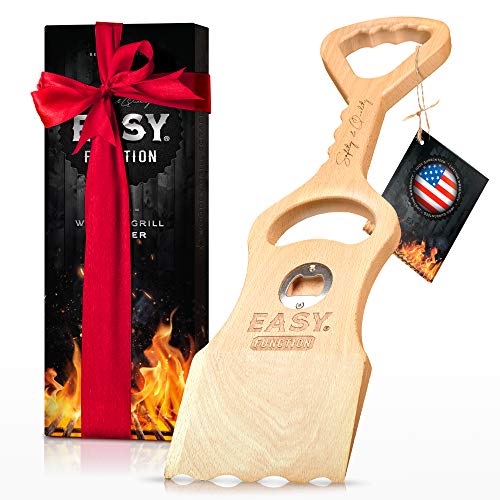
If you're a backyard griller or a weekend BBQ enthusiast, you know the struggle of keeping your grates clean without worrying about stray wire bristles. The Easy Function Wood Grill Scraper offers a clever solution: a natural pine hardwood block that uses heat to mold itself to your grill grates. It's not a grill, smoker, or griddle, but a cleaning tool that addresses a real safety concern for anyone who cooks over fire.
This scraper is best suited for backyard grillers, campers, tailgaters, and RV owners who want a safe, bristle-free way to clean their grates. The EasyShape technology is simple: you heat the scraper on your hot grill for a few minutes, and the wood burns into the exact shape of your grates. Then you scrape away residue. It works on porcelain, ceramic, stainless steel, and cast iron without scratching, which is a big plus for protecting your investment.
In real-world use, the scraper performs well for routine cleaning after grilling burgers, steaks, or chicken. It gets into the spaces between grates better than a typical wire brush, and you never have to worry about a bristle breaking off and ending up in your food. That peace of mind is huge for families and anyone who cooks for a crowd. The wood is non-toxic, so there's no chemical residue left behind.
Build quality is solid – the pine hardwood feels sturdy, and the 17-inch length gives you good reach across a standard grill. It's lightweight at just one pound, making it easy to pack for camping trips or tailgates. The Lifelong Promise is a nice touch: if it breaks or wears out, the company replaces it for free. That adds real value.
One limitation: you need a hot grill to shape the wood initially, so it's not a tool you can use on a cold grate. Also, the wood will gradually wear down with use, but the replacement guarantee offsets that. For heavy-duty scrubbing of caked-on grease, you might need to reheat or use multiple passes. Still, for most grilling sessions, it's effective and safe.
Overall, if you're a backyard cook who values safety and natural materials, this wooden scraper is a practical upgrade from wire brushes. It's especially useful for campers and tailgaters who want one less thing to worry about. The price is reasonable given the lifelong warranty, and the cleaning performance is reliable for everyday use. I'd recommend it for anyone who grills regularly and wants to avoid bristle hazards.

Pros
- Bristle-free for safe cleaning without metal splinters
- Solid hardwood won't scratch porcelain or stainless grates
- Compact design with hanging loop stores conveniently on grill
- Durable enough for regular use and holds up outdoors
Cons
- Not compatible with newer Timberline XL, Ironwood XL, or Gen 2 Ironwood models
- Hardwood may wear over time with heavy use compared to metal brushes
- Requires a bit more elbow grease for stuck-on residue than wire brushes
If you’re a backyard griller who’s ever worried about wire bristles breaking off and ending up in your food, the Traeger Wooden Grill Scraper is a smart alternative. This solid hardwood scraper is specifically shaped to fit the grooved grates of Traeger Pro, Gen 1 Ironwood, Timberline, and Portable Series grills. It’s a simple, bristle-free tool that gives you peace of mind while cleaning up after a cook.
Designed for outdoor cooks who value safety and ease, this scraper works best on Traeger’s porcelain or stainless steel grates. The hardwood won’t scratch or damage the surface, so your grates last longer. It’s great for weekend BBQ sessions, tailgating prep, or campsite cooking where you want a quick, safe cleaning routine. Just scrape off residue after grilling burgers, chicken, or veggies, and you’re ready for the next round.
In terms of real-world performance, the scraper does a solid job removing stuck-on grease and char. The wood’s natural fibers grab debris without the harshness of metal. It won’t give you the same aggressive scraping power as a wire brush, but for regular cleaning after every cook, it handles the task well. If you’re doing low-and-slow smoking or cooking sticky marinades, a quick scrape while the grates are still warm makes cleanup easier.
Build quality is straightforward but durable. The hardwood feels sturdy in hand, and the hanging loop lets you store it right on your grill hook. It’s weather-resistant enough for outdoor storage as long as you keep it in a cool, dry place when not in use. There’s no assembly needed, just pull it out and start scraping. Cleanup is easy too – rinse it off or wipe it clean.
One realistic limitation: this scraper won’t fit the newer Timberline XL, Ironwood XL, or Gen 2 Ironwood models, so check your grill’s compatibility before buying. Also, hardwood naturally wears faster than metal brushes, especially with heavy use. But for everyday cleaning, it’s a reliable, safe choice for families, RV owners, patio cooks, and anyone who wants to avoid bristle hazards.
Overall, the Traeger Wooden Grill Scraper is a practical, affordable accessory for dedicated Traeger users. It’s not a high-powered cleaning tool, but it does what it’s meant to do – clean your grates safely and simply. If you already own a compatible Traeger grill and want a bristle-free cleaning routine, this scraper is worth adding to your outdoor cooking kit.
Understanding How Wooden Grill Scrapers Perform on Barbecue Grates
Wooden grill scrapers do work remarkably well when paired with the natural heat of your barbecue. They rely on mechanical friction and progressive thermal contouring rather than abrasive wire strands to clear away grease and charred residue. Once you establish the initial custom channels, a solid wooden paddle cleans the surface and sides of your grates with exceptional efficiency.
The Mechanics of Heat Grooving and Char Removal
The basic principle behind a wooden scraper is thermal molding through repeated contact with hot metal. When you press the flat, beveled edge of a dry timber blade against preheated grates, the intense heat lightly chars the contact points. As you glide the paddle forward and backward, the charred wood sloughs away at those specific spots, creating tiny indentations. These indentations quickly deepen into custom grooves that match the precise spacing and diameter of your cooking bars.
Standard wire brushes scrape only the very apex of round metal bars because the wire flexes under pressure. A wooden scraper, by contrast, forms curved channels that wrap partially around the sides of each bar as the grooves mature. This contouring provides broader surface contact with every forward stroke, lifting baked-on sugars, fats, and seasonings in smooth passes. You get a cleaning action tailored to your specific equipment rather than a generic sweep across the top plane.
Sufficient thermal energy remains necessary for this physical transformation to occur. Attempting to scrape cold grates with an unformed piece of timber yields minimal char removal and will never shape the tool. Heating the grill thoroughly before cleaning softens greasy deposits and activates the wood charring process simultaneously. Within a few cooking sessions, the tool transforms into an exact negative mold of your cooking grate layout.
Safety Profile Compared to Wire Bristle Brushes
Traditional wire grill brushes present a documented risk of bristle loss during routine cleaning. Thin steel or brass bristles easily become trapped in sticky grease or lodged between grate weld joints without the cook noticing. When meat is subsequently placed on the hot surface, these loose metal needles can stick to the food and be ingested. Emergency room physicians regularly treat patients for painful throat, stomach, and intestinal punctures caused by stray brush wires.
A solid wooden scraper eliminates the risk of stray metal entering your family meals entirely. Solid wood cannot shed sharp wire fragments, leaving behind only organic wood fibers if any tiny piece ever separates. Even in the rare event that a micro-splinter transfers to a hot grate, it burns into harmless carbon ash within seconds under cooking temperatures. This fundamental safety advantage is the primary reason many barbecue cooks abandon wire accessories altogether.
Commercial kitchens and outdoor catering operations increasingly mandate bristle-free tools to eliminate liability. Wooden paddles provide an all-natural cleaning method that complies with strict health standards and food safety protocols. You can scrub vigorously across hot cast iron or stainless bars without worrying about loose metal shards contaminating your barbecue. That peace of mind lets you focus entirely on seasoning, smoke control, and cooking temperatures.
Hardwood Versus Softwood Material Performance
Manufacturers generally craft wooden scrapers from either dense hardwoods or resilient softwoods, each offering distinct behavioral characteristics. Hardwoods such as Red Oak and Beech, found in tools like The Great Scrape, possess tight cellular structures that resist rapid burning. These species take longer to establish initial grooves during the break-in phase because the dense fibers resist charring. However, once those channels form, a hardwood tool retains its shape for seasons without eroding prematurely.
Softwood options, particularly Pine and Western Red Cedar, feature looser grain structures that burn in much faster. Scrapers such as the Easy Function models or the Grill Dog Cedar Hog contour to your grates within just one or two hot cleaning sessions. This rapid grooving allows immediate deep cleaning around bar curves without requiring weeks of repetitive pressure. The trade-off is that softer woods wear down quicker under heavy weekly use, gradually requiring blade replacement or re-edging.
Choosing between these two wood categories depends primarily on your cooking frequency and patience. Casual weekend cooks often appreciate the immediate results and lighter weight of cedar or pine scrapers. High-volume pitmasters who fire up their equipment multiple times each week generally benefit from the structural longevity of oak or beech. Both material classes deliver reliable cleaning power when matched with the proper technique.
Step-by-Step Guide to Breaking In a Wooden Scraper
Properly shaping your wooden tool requires a deliberate break-in routine during the first few uses. Begin by firing up your grill and letting the grates reach high cooking temperatures, ideally above four hundred degrees Fahrenheit. High heat output from propane grills with infrared sear burners makes this initial burning process particularly quick. Let the grate bars absorb heat thoroughly so they can easily scorch the leading edge of your wooden scraper.
Hold the scraper at roughly a forty-five-degree angle and press the tapered edge firmly against the hot metal. Glide the tool forward and backward along the length of the grates, applying consistent downward force. Maintain the blade in the exact same channel alignment with every stroke rather than shifting side to side. Small wisps of smoke will rise as the hot iron burns distinct reference notches into the wood blade.
Repeat this rhythmic motion for several minutes, allowing the notches to deepen into well-defined tracks. Do not attempt to burn full-depth channels in a single sitting, as excessive friction and direct flame contact can prematurely singe the blade edge. Allow the grooves to mature naturally over your next four or five barbecue sessions. Once the grooves reach roughly a quarter-inch in depth, the scraper will glide smoothly along the grates with minimal effort.
Surface Compatibility Across Stainless Steel, Cast Iron, and Porcelain
Different grate materials react distinctly to cleaning tools, making surface compatibility a critical consideration. Porcelain-enameled grates are particularly vulnerable because aggressive metal wire or abrasive stones can chip the delicate ceramic glass coating. Once porcelain chips, moisture penetrates the exposed underlying metal, causing rapid rusting that ruins the grate. A smooth wooden scraper glides over porcelain without scratching or fracturing the enamel glaze, preserving your cooking surface for years.
Solid stainless steel grates provide exceptional durability, but they still collect stubborn layers of carbonized grease and caramelized sugars. Because stainless bars do not chip, you can apply heavy downward pressure with a hardwood scraper to shear away stuck crusts. The custom wooden grooves wrap around the rounded stainless steel rods, removing residue from both the top and the sloping sides. This prevents sticky spots that cause delicate fish fillets or chicken skin to tear during cooking.
Cast iron grates require a protective patina of seasoned cooking oil to prevent corrosion and deliver nonstick properties. Harsh wire brushes often gouge into this delicate seasoning, stripping the protective oil layer down to raw iron. A wooden scraper acts like a flat wooden spatula in a cast iron skillet, smoothing the surface without scraping away the baked-on seasoning. It lifts loose debris cleanly while leaving the polymerized oil base intact.
Reaching Between Grates and Cleaning Limitations
While wooden scrapers excel at cleaning upper and lateral bar surfaces, they do possess distinct physical limitations. A rigid wooden blade cannot wrap completely underneath round grate rods to clean the bottom facing the firebox. Tools designed with narrower profiles or between-grate tips, such as the FEROS Safer Scraper, help address gaps, but they still cannot flex like flexible wire. You must recognize that wooden scrapers focus their cleaning energy primarily on the food-contact plane.
Intricate grate layouts present another operational challenge for flat wooden blades. Grates featuring diamond mesh patterns, cross-hatched sear zones, or wavy rod profiles prevent a standard wooden paddle from sliding forward in straight lines. If your grill features non-linear or tightly woven bars, a wooden scraper will only contact high points and cannot form uniform channels. Traditional straight-bar grates remain the ideal match for wooden scraping tools.
Managing the underside of your grates requires occasional supplementary maintenance rather than relying exclusively on wood. Periodically lifting the grates with heat-resistant gloves and scraping the underside with a dedicated putty knife keeps heavy carbon buildup from accumulating. You can also wipe down warm bars with an oiled cotton rag held in sturdy metal tongs. Combining daily wooden scraping on top with periodic deep cleaning underneath maintains a pristine barbecue setup.
Handle Ergonomics, Reach, and Design Styles
The overall length and handle geometry of a wooden scraper significantly influence user comfort during high-heat cleaning. Shovel-style paddles, such as The Great Scrape Woody Shovel, provide an extended reach that keeps your knuckles safely away from radiant heat and flare-ups. A longer handle also allows you to comfortably reach beneath upper warming racks without singing your forearm. Proper leverage lets you transfer downward force efficiently across the entire grate length.
Grip designs vary between single-hand contoured handles and wider paddles meant for dual-hand leverage. Scrapers like the Grill Dog Cedar Hog feature radiused edges that accommodate two-handed operation for stubborn carbon removal. Traeger models like the BAC454 include pre-cut hanging loops, allowing you to store the tool directly on side utility hooks beside the smoker hopper. Having a secure, comfortable grip prevents the tool from slipping while you apply pressure over hot grease.
Compact wooden scrapers offer distinct advantages for tailgating, camping, and portable tabletop barbecues. A shorter paddle packs easily inside RV storage bins or tote bags alongside other outdoor cooking gear. While a short handle requires you to exercise greater caution around hot coals, it grants exceptional fingertip control when navigating tight cooking areas. Matching handle length to your specific grill size ensures safe and comfortable cleaning every time.
Care, Conditioning, and Moisture Protection
Because these tools consist of natural timber, environmental exposure can drastically degrade their structural integrity over time. Leaving a wooden scraper sitting outdoors on a side shelf exposes it to rain, intense sun, and morning dew. Moisture absorption causes the grain to swell and warp, which alters the groove alignment relative to your grate bars. Prolonged dampness can also encourage black mold growth, rendering the tool unhygienic for food-contact surfaces.
Routine conditioning with food-grade mineral oil or butcher block wax keeps the wood supple and water-repellent. Applying a thin coat of mineral oil every few weeks prevents the timber from drying out and cracking under repetitive heat cycles. Avoid using rancid vegetable oils or olive oil for conditioning, as degraded culinary fats can impart bitter off-flavors to your cooking grates. High-grade butcher block oils soak deep into hardwood pores, creating a moisture barrier that resists grease stains.
Proper storage involves keeping your wooden scraper in a cool, ventilated area sheltered from the elements. Many cooks hang their scraper inside a dry garage cabinet or covered patio cart between cookouts. Just as you store wood chips and smoker boxes for outdoor setups in dry conditions to preserve their effectiveness, protecting your scraper ensures consistent performance. A well-maintained wooden paddle will provide dependable cleaning across dozens of barbecue sessions.
Identifying When to Replace Your Wooden Scraper
Every wooden scraper possesses a finite operational lifespan dictated by heat erosion and natural wear. As you use the tool across successive barbecue cooks, the grooves will gradually deepen and widen toward the shoulder of the paddle. Eventually, the grooves become so deep that the blade bottom rubs against internal crossbars or the handle itself contacts the grate. When the grooves lose their snug fit against the bars, cleaning efficiency drops noticeably.
Inspect the working end periodically for signs of structural degradation such as splitting, cracking, or severe carbonization. If the leading edge develops deep longitudinal cracks, forceful downward pressure could snap the blade during use. Similarly, if accidental flare-ups have charred the timber into brittle charcoal beyond the groove tips, the scraper will crumble rather than scrape. A compromised blade should be retired promptly to maintain safe, steady cleaning pressure.
Some wood scrapers can be refreshed by sawing off the excessively worn front edge and restarting the break-in process on fresh timber. If the blade retains sufficient overall length and handle clearance, cutting away charred grooves gives the tool a second life. However, once the paddle becomes too short to keep your hands safely away from the heat, complete replacement is the best choice. Treating your scraper as a consumable maintenance tool ensures safe, reliable results.
Practical Takeaways for Grate Maintenance
Adopting a wooden grill scraper transforms post-cook cleanup into a safe, reliable, and bristle-free routine. By allowing natural radiant heat to shape custom channels in solid timber, you obtain a customized cleaning accessory perfectly matched to your grates. Softwoods like cedar and pine shape quickly for rapid deployment, while dense hardwoods like oak and beech offer superior durability across years of cooking. Pairing proper break-in technique with regular mineral oil conditioning keeps the tool functioning at its absolute best.
Integrating this natural tool into your preheating and post-cooking habits eliminates the danger of metal wire contamination completely. Give your grates ten minutes of high heat, apply steady forward pressure along the established grooves, and watch baked-on grease lift cleanly away. With basic care and mindful storage, a quality wooden scraper keeps your barbecue grates spotless, food-safe, and ready for your next outdoor gathering.






Write Your Review
No reviews yet. Be the first to share your experience!